Eye bags and ageing: why they appear and what can help
With age, the support around the eye loosens, fat can sit further forward in the lower lid, and skin gets thinner. The result is bags that show all day. A consistent eye cream and daily SPF help the skin look smoother and firmer; only medical options such as eyelid surgery change the structure itself.
What happens to the under-eye area as we age
Your eyeball sits in a cushion of fat, held in place by a thin membrane and the muscles of the eyelid. According to the American Academy of Ophthalmology, as we get older the tissues and muscles supporting the eyelids weaken. Some of the fat that normally stays behind the eye can then shift forward and bulge into the lower lid — this is what creates the classic "pouch" of an age-related eye bag.
At the same time, the skin itself changes. It becomes thinner and produces less collagen and elastin, so it is less springy and more crepey. And the bone and fat of the cheek change too, which can create a hollow or groove (the tear trough) just below the bag. Light catches the bulge and the hollow throws a shadow, making the bag look deeper than it is.
That's why age-related bags behave differently from morning puffiness: they look much the same from breakfast to bedtime, and they don't disappear after a good night's sleep. Fluid can still sit on top of them, though, which is why they may look a bit worse in the morning.
What makes age-related bags more noticeable
- Sun exposure — ultraviolet light is a major driver of thinner, less elastic skin.
- Smoking — linked to faster skin ageing and more noticeable bags.
- Genetics — some families show under-eye changes earlier; see genetic eye bags.
- Fluid on top — salt, alcohol and short sleep add morning puffiness to a structural bag.
- Weight changes — losing or gaining a lot of weight can change how the face and under-eye area look.
What can realistically help
A consistent eye cream
Skincare works on the surface. A good eye cream used every morning and night keeps the thin under-eye skin hydrated, and ingredients such as peptides, niacinamide and PDRN (a DNA-derived ingredient popular in Korean skincare) are used to support the look of firmer, smoother, plumper skin. Better-hydrated, smoother skin reflects light more evenly, which can make a bag and its shadow look softer. Cleveland Clinic notes that eye creams can help with the appearance of puffiness but have limits — they won't change the underlying structure.
How to apply: a rice-grain amount per eye, dotted along the orbital bone (not right up to the lash line) and patted in with your ring finger. Consistency matters far more than quantity.
Cooling patches as a boost
Patches don't change structure either, but the cool hydrogel and hydrating ingredients give a visibly de-puffed, fresher look for the day — handy before a special occasion or whenever morning fluid sits on top of an age-related bag.
Daily SPF and sunglasses
The single best thing you can do to slow further change. Use a broad-spectrum SPF every day, including a gentle one around the eyes, and wear sunglasses outdoors to reduce squinting as well as sun.
Keep the fluid down
A raised pillow, less evening salt and alcohol, and a cold compress in the morning won't shrink a structural bag, but they stop fluid from making it look bigger.
Make-up that works with light
A light-reflecting concealer applied only in the shadow below the bag (not on the bag itself) makes a surprising difference. Heavy, matte concealer on the bulge tends to draw attention to it.
Medical options in the UK
If your bags really bother you, the options that change the structure are medical:
- Lower eyelid surgery (blepharoplasty) removes or repositions the fat and may tighten the skin. The NHS explains that cosmetic eyelid surgery is not usually available on the NHS; it may be considered if drooping upper lids affect your vision. Privately, it typically costs several thousand pounds, with a recovery period of a couple of weeks and risks including dry eyes, scarring and changes to the eyelid shape.
- Tear trough filler can soften the hollow beneath a bag. It's a medical procedure with real risks around the eye and should be done by an experienced, medically qualified practitioner.
- Laser resurfacing and peels can improve skin texture and firmness around the eyes in some people.
The NHS advises choosing a surgeon on the GMC specialist register and a clinic registered with the Care Quality Commission, taking time to decide, and being wary of deals and pressure to book quickly.
Honest expectations
A good routine will make the skin under your eyes look better hydrated, smoother and firmer over weeks, and cooling patches give a quick fresh look on the day. That can soften how noticeable age-related bags are. It will not make them disappear, and anyone promising that from a cream is overselling. If you'd like a structural change, the honest route is a consultation with an oculoplastic surgeon.
Frequently asked questions
Why do eye bags get worse with age?
As we age, the tissues and muscles that support the eyelids weaken, so the fat that normally cushions the eye can move forward into the lower lid. The skin also becomes thinner and less elastic, and changes in facial bone and fat can create a hollow below the bag that makes it look deeper. Together these make bags more noticeable over the years.
Can eye cream get rid of age-related eye bags?
No cream can move fat back into place or tighten the eyelid's support structures. What a good eye cream can do is keep the skin hydrated and, with ingredients such as peptides and niacinamide, support the look of firmer, smoother skin. That can soften how the area catches the light, so bags look less obvious, but the bag itself stays.
What are the options for age-related eye bags beyond skincare?
For a real structural change, lower eyelid surgery (blepharoplasty) is the option that removes or repositions under-eye fat. Tear trough fillers and laser resurfacing are also used in some cases. These are medical procedures with risks and recovery time and are usually private in the UK. For many people, a good daily routine plus sun protection is enough.
At what age do eye bags start?
Age-related eye bags often start to become noticeable from the late thirties and forties, but it varies widely. Some people have inherited bags from their teens, while others see little change until their fifties. Sun exposure, smoking and genetics all influence how early and how much the under-eye area changes.
Does SPF help eye bags?
Sun protection doesn't shrink existing bags, but ultraviolet light is one of the main drivers of thinner, crepey, less elastic skin. Wearing a broad-spectrum SPF every day, including around the eyes, and sunglasses outdoors helps keep the under-eye skin firmer-looking for longer, which is why daily SPF is so widely advised.
Our pick for this cause
For women
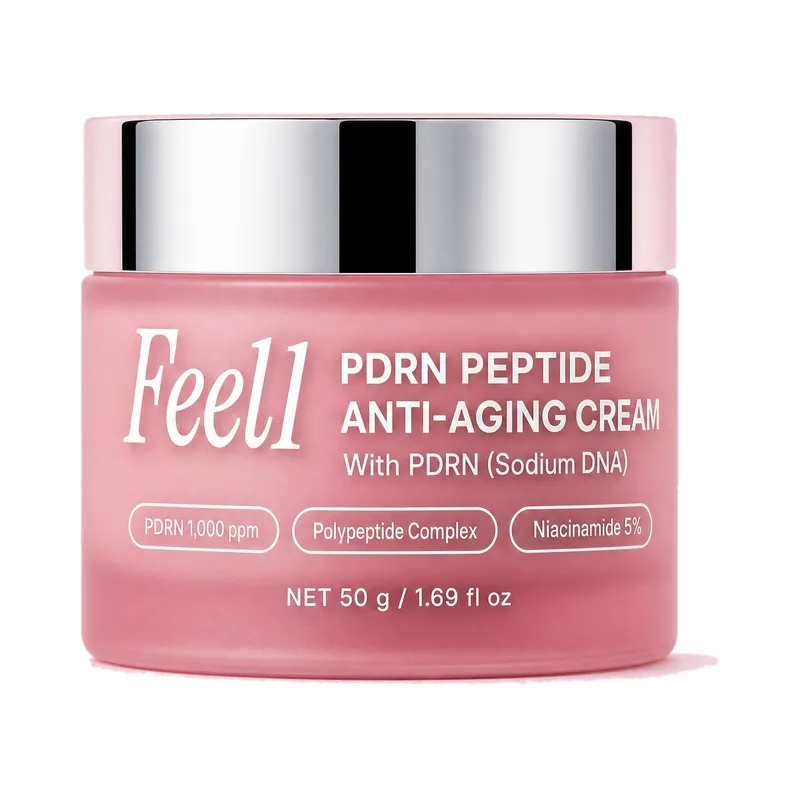 Step 1 · DailyFeel1 PDRN CreamPDRN and peptides for smoother, firmer-looking skinView
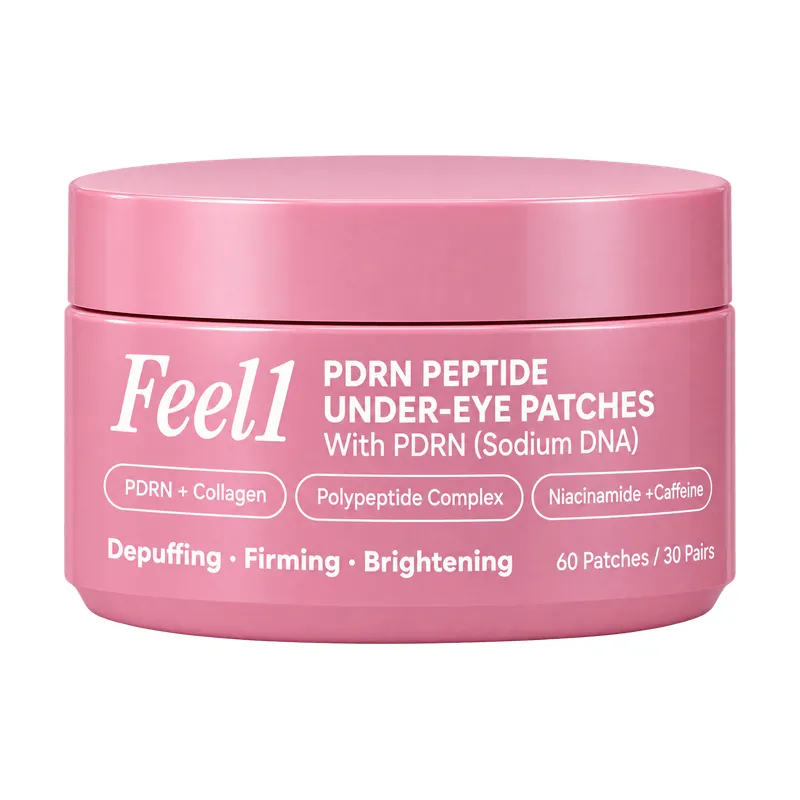 Step 2 · A few times a weekFeel1 PDRN Eye PatchesCooling PDRN gel for a visibly de-puffed lookView
For men
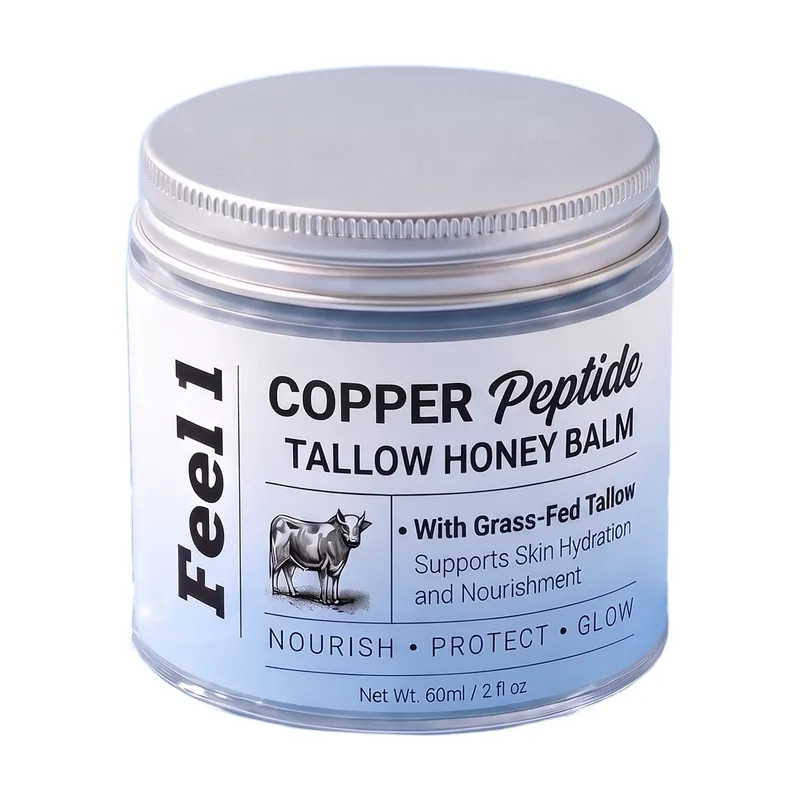 Step 1 · DailyFeel1 Copper Peptide CreamCopper peptide cream for a less tired lookView
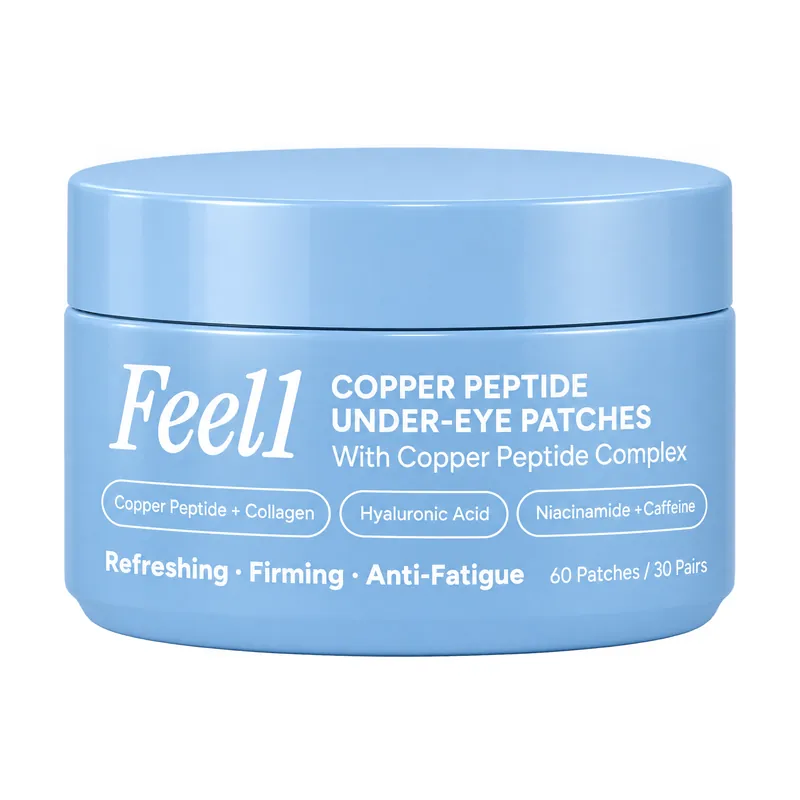 Step 2 · A few times a weekFeel1 Copper Peptide Eye PatchesCooling patches for the mornings it showsComing soon to the UK
Honest note: these support the look of firmer, smoother skin; they can't move fat pads.
Advertising disclosure: eyebags.co.uk is a commercial publisher. Links on this page may be commercial links, and we earn money when you buy — including from Feel1, a brand we are commercially connected with. Our favourite is our own editorial choice; see How we choose.
Not sure this is your cause?Take the free 2-minute eye bag test