Eye bags vs dark circles: how to tell the difference
Eye bags are about shape — puffiness or a bulge from fluid, fat or loose skin. Dark circles are about colour — pigment, visible blood vessels or shadow. Many people have both. Working out which one bothers you most tells you what can actually help.
The 30-second mirror test
Stand facing a window or a soft light, then try these three checks:
- Look side-on. If you can see a bulge or pouch under the eye in profile, that's a bag.
- Tilt your face up towards the light. If the darkness fades or moves, it's a shadow — usually cast by a bag or a hollow beneath it. If it stays, it's colour in the skin.
- Gently stretch the skin sideways. If a blue-purple tone gets stronger, you're seeing blood vessels through thin skin. If a brown tone stays the same, it's pigment.
Most people discover they have a mix — for example, a small inherited bag with a shadow under it, plus a little pigment. That's normal.
Eye bags: what they are
An eye bag is swelling or a bulge in the lower eyelid. The American Academy of Ophthalmology describes the main causes as fluid build-up, the fat that cushions the eye moving forward as supporting tissue weakens with age, and inherited features. Bags are often worse in the morning when fluid is involved, and look similar all day when they're structural.
Read more: puffy eyes in the morning, eye bags and ageing, genetic eye bags.
Dark circles: the three types
Cleveland Clinic lists several causes of dark circles, which fall broadly into three types:
Pigment (brown)
Extra melanin in the under-eye skin. More common in medium and deep skin tones and often inherited. Sun exposure, rubbing and eczema can darken it further.
Vascular (blue, purple or pink)
Thin, translucent skin lets the blood vessels underneath show through. Tiredness, allergies and congestion make these vessels more visible — the "allergic shiners" of hay fever season are a classic example. They're often more noticeable in fair skin.
Structural (shadow)
A bag, a hollow tear trough or deep-set eyes throw a shadow under the eye. This isn't colour in the skin at all, which is why it looks worse under overhead lights and better in soft, front-facing light.
Side-by-side comparison
| Eye bags | Dark circles | |
|---|---|---|
| What you see | Puffiness, bulge, pouch | Brown, blue-purple or grey tone |
| Main causes | Fluid, ageing, genetics, allergies | Pigment, thin skin and blood vessels, shadow, allergies |
| Worse when | Morning (fluid), after salt and alcohol | Tired, congested, after rubbing or sun |
| Quick help | Cold compress, cooling patches | Colour corrector and concealer |
| Longer-term help | Sleep, salt, raised pillow; eye cream for skin; surgery for structure | Daily SPF, brightening skincare, allergy care; medical options for pigment or hollows |
What helps each one
If it's mainly bags
For fluid-type bags, cold and cooling patches give a visible de-puff within minutes, and a raised pillow plus less evening salt and alcohol help prevent them. For structural bags, a daily eye cream improves the look of the skin, but only surgery changes the shape. See what actually helps for every option side by side.
If it's mainly dark circles
- Daily SPF — essential for pigment-type circles, which darken with sun.
- Brightening ingredients — niacinamide, vitamin C and caffeine can help the area look brighter over time.
- Allergy care — if you're often congested, getting hay fever under control with a pharmacist's help can fade allergic shiners.
- Stop rubbing — friction darkens pigment.
- Colour correction — peach for blue tones on fair skin, orange or red for brown tones on deeper skin, then concealer.
If it's both
That's the most common situation. A two-step routine usually works best: a daily eye cream for hydration and the look of firmer, brighter skin, plus cooling patches on mornings when puffiness shows most. Our free 2-minute eye bag test suggests a routine based on your likely main cause.
Honest expectations
Neither bags nor dark circles have a one-product fix. Cooling, hydrating skincare can make both look fresher and less noticeable for a while; SPF and good habits stop them getting worse. Genetic pigment and structural bags or hollows are the hardest to shift and, if they really bother you, a consultation with a dermatologist or oculoplastic surgeon is the next step.
Frequently asked questions
What is the difference between eye bags and dark circles?
Eye bags are about shape: a puffy or bulging area under the eye caused by fluid, fat or loose skin. Dark circles are about colour: a brown, blue-purple or grey tone caused by pigment, visible blood vessels, thin skin or a shadow. You can have both at once, and a bag often casts a shadow that looks like a dark circle.
Can eye bags cause dark circles?
Yes, indirectly. A bag sticks out and the hollow below it (the tear trough) falls into shadow, especially under overhead lighting. That shadow looks like a dark circle even when the skin itself isn't darker. If the darkness moves or fades when you tilt your face towards a light, it's likely shadow from a bag rather than pigment.
Do eye patches help dark circles?
Patches can help dark circles look a little brighter for a while, particularly ones linked to tiredness and puffiness, thanks to cooling and ingredients such as caffeine and niacinamide. They won't remove pigment or change thin skin or bone structure. For pigment-type circles, daily SPF and consistent brightening skincare matter more than an occasional patch.
Are dark circles genetic?
Often. Cleveland Clinic lists genetics among the common causes of dark circles, especially pigment-type circles that are more common in darker skin tones and in some families. Thin skin that shows blood vessels, and deep-set eyes that throw shadows, can also run in families. Tiredness, allergies and rubbing make inherited circles look darker.
What colour concealer hides dark circles?
It depends on the tone. Peach or salmon correctors neutralise blue-purple circles on lighter skin, while orange or red-toned correctors work better on brown circles on medium to deep skin. Follow with a concealer close to your skin tone. For bags, apply concealer only in the shadow below the bag, not on the bag itself.
Our pick
For women
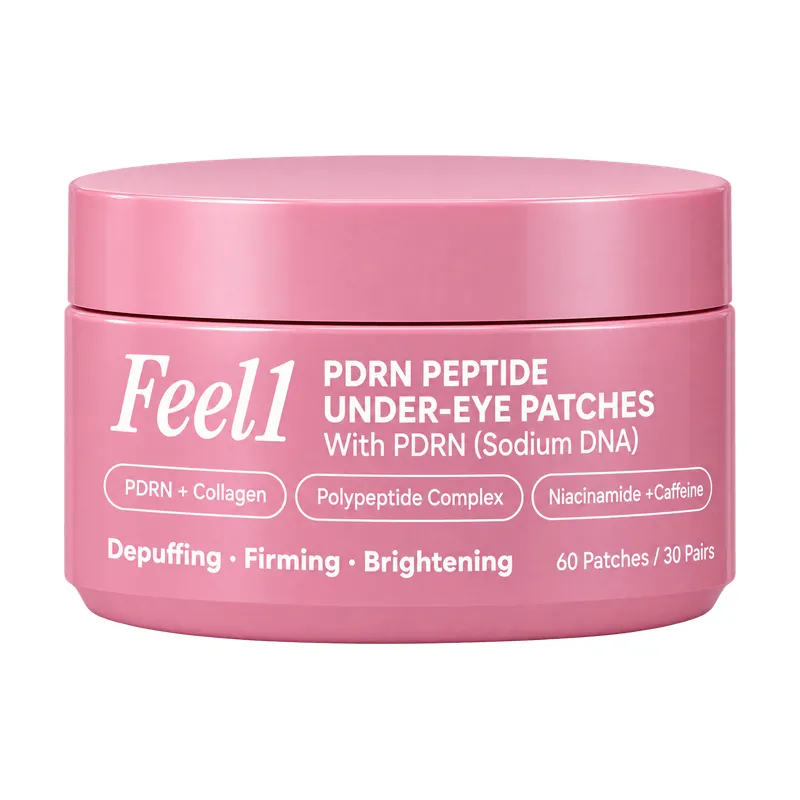 Step 1 · A few times a weekFeel1 PDRN Eye PatchesCooling PDRN gel for a visibly de-puffed lookView
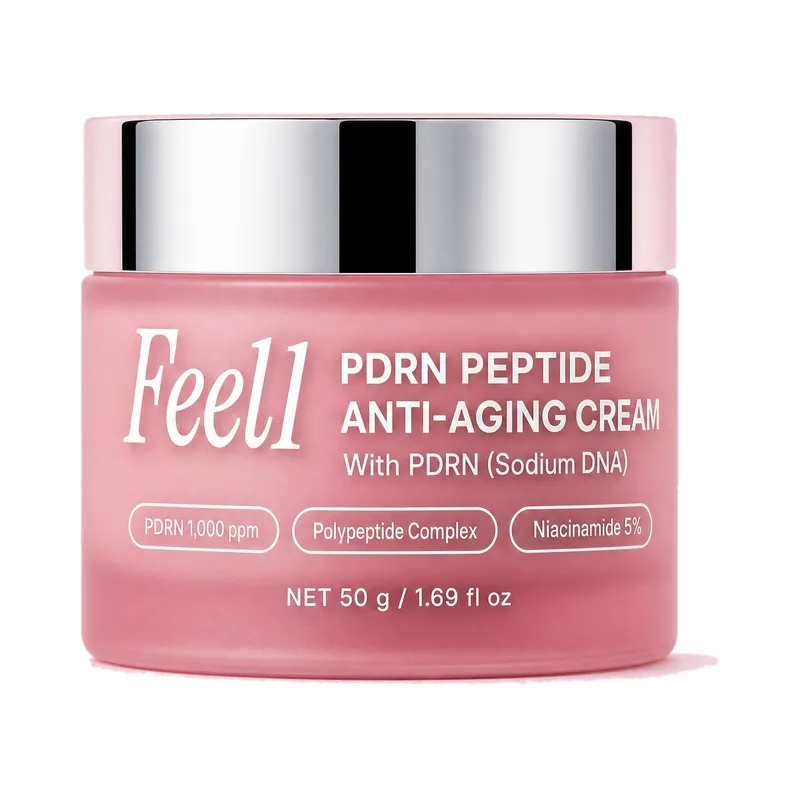 Step 2 · DailyFeel1 PDRN CreamPDRN and peptides for smoother, firmer-looking skinView
For men
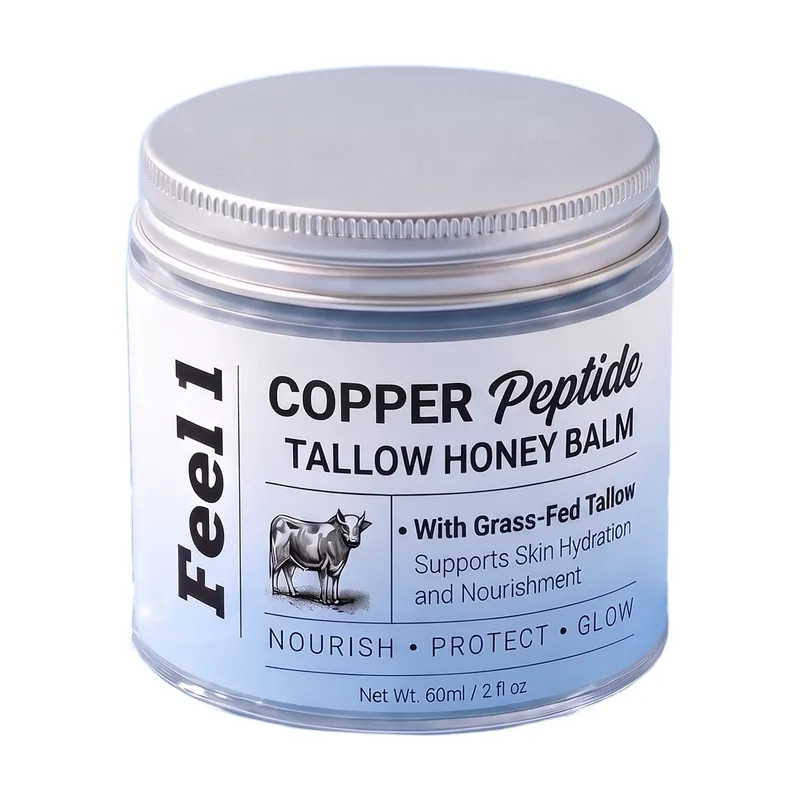 Step 1 · DailyFeel1 Copper Peptide CreamCopper peptide cream for a less tired lookView
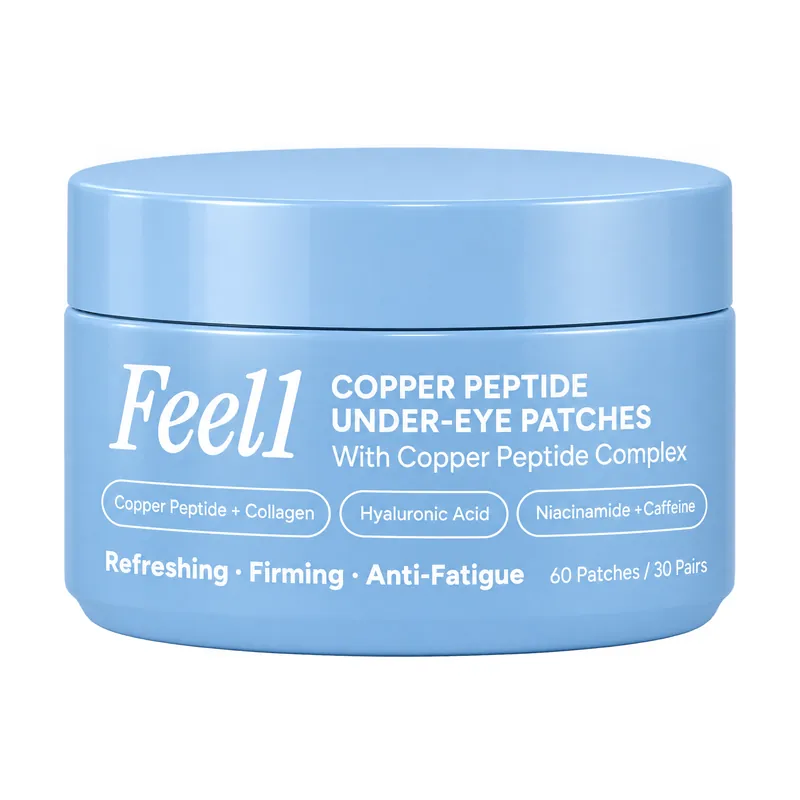 Step 2 · A few times a weekFeel1 Copper Peptide Eye PatchesCooling patches for the mornings it showsComing soon to the UK
Cool, hydrate, repeat: expect a fresher look that needs repeating, not a permanent change.
Advertising disclosure: eyebags.co.uk is a commercial publisher. Links on this page may be commercial links, and we earn money when you buy — including from Feel1, a brand we are commercially connected with. Our favourite is our own editorial choice; see How we choose.
Not sure this is your cause?Take the free 2-minute eye bag test