Tired eyes and eye bags: how lifestyle shows under your eyes
Short sleep, long screen days, salty food, alcohol and smoking all make the under-eye area look puffier and darker. This is the most changeable cause of eye bags: better habits usually make a visible difference within a couple of weeks, and cooling patches can bridge the gap on busy mornings.
How tiredness shows up under your eyes
"You look tired" is one of the least welcome comments there is, and the under-eye area is usually where people see it. After a short night, fluid is more likely to collect under the eyes, the skin can look paler so the blood vessels and shadows underneath show through more, and eyes that are strained or rubbed become puffier. The American Academy of Ophthalmology names lack of sleep as one of the everyday causes of bags under the eyes, alongside fluid retention and allergies.
Unlike genetic or age-related bags, lifestyle bags tend to come and go. They are worse after a late night, a heavy weekend or a deadline week, and better after a holiday. If that pattern sounds familiar, you are in luck: this is the cause you have most control over.
The five lifestyle habits that matter most
1. Sleep: quantity and regularity
Most adults need seven to nine hours. Just as important is regularity — going to bed and getting up at roughly the same time, including at weekends. A dark, cool bedroom and a wind-down routine without your phone help more than any cream. If you snore heavily, wake unrefreshed or feel sleepy during the day despite enough hours, mention it to your GP.
2. Screens and eye strain
Long days on laptops and phones mean less blinking, drier eyes and more rubbing. Try the 20-20-20 rule: every 20 minutes, look at something about 20 feet away for 20 seconds. Keep your screen slightly below eye level, turn the brightness to match the room, and put the phone down half an hour before bed. If your eyes feel gritty, an optician can advise on lubricating drops.
3. Salt
Salty food makes your body hold on to water, and some of it settles under your eyes overnight. Ready meals, takeaways, crisps, cured meats and cheese are the main culprits in a typical UK diet. You don't need to be strict — just move the saltiest meals earlier in the day.
4. Alcohol
Alcohol dehydrates you, breaks up your sleep and can make the face look puffy and flushed the next morning. Cleveland Clinic lists it among the lifestyle factors that make eye bags worse. Alternating drinks with water and stopping a few hours before bed helps your eyes as much as your head.
5. Smoking
Smoking speeds up skin ageing, including around the eyes, and disturbs sleep. It is one of the clearest lifestyle links to more noticeable bags over time. Free NHS stop-smoking services are available everywhere in the UK.
A one-week reset for tired-looking eyes
If you want to see how much of your eye bag problem is lifestyle, try this for seven days and compare photos taken in the same light on day one and day eight:
- Same bedtime, same alarm — every day, including the weekend.
- Screens off 30 minutes before bed, and the 20-20-20 rule during the day.
- Salty meal at lunch, not dinner, and a glass of water with every meal.
- No alcohol for the week (or at least none in the three hours before bed).
- An extra pillow so your head is slightly raised.
- A cold compress or cooling patches in the morning, pressed on gently for five to twenty minutes.
Most people whose bags are lifestyle-driven notice a difference by the end of the week. If you see little or no change, the cause is more likely structural — read about genetic eye bags and eye bags and ageing.
Where eye patches and creams fit in
Topicals are helpers, not the main event. Cooling hydrogel patches with caffeine and hydrating ingredients give a quick, visibly de-puffed and fresher look for the day, which is useful while your new habits kick in or on mornings when you simply didn't get enough sleep. Ochsner Health describes the effect of under-eye patches as short-term — and that's fair. The lasting improvement comes from sleep and routine.
Tired eyes often come with dark circles too. Brightening ingredients like niacinamide and caffeine, plus a good concealer, can help those look less obvious, but again the effect is on the look of the skin, not the underlying cause.
Honest expectations
Lifestyle bags are the most rewarding to work on because the changes are visible and free. Expect the biggest difference from sleep, salt and alcohol, with patches or creams adding a temporary fresher look on top. If you've genuinely changed your habits for a month and your bags haven't moved, don't blame yourself — they're probably inherited or age-related, and that calls for different expectations.
See a GP if: you feel exhausted most of the time despite enough sleep, snore heavily with pauses in breathing, or your eye swelling is sudden, painful or one-sided. Persistent tiredness can have medical causes such as anaemia or thyroid problems that are worth checking.
Frequently asked questions
Can lack of sleep cause eye bags?
Yes, short or poor-quality sleep is one of the most common reasons for tired-looking eyes. It can make the under-eye area look puffier and darker, and skin can look duller overall. The American Academy of Ophthalmology lists lack of sleep among the causes of eye bags. The good news is that this is one of the most changeable causes once your sleep improves.
Why do I have eye bags when I sleep well?
Sleep is only one piece of the puzzle. If you sleep seven to nine hours and still have bags, look at salt and alcohol in the evening, allergies, screen strain, or whether your bags are inherited or age-related. Bags that look the same all day and have been there for years are usually structural rather than a sign of tiredness.
Do screens cause eye bags?
Screens don't directly cause bags, but long screen days lead to eye strain, less blinking, rubbing and often later nights, all of which make eyes look tired and puffy. The 20-20-20 rule — every 20 minutes, look at something 20 feet away for 20 seconds — plus a sensible screen curfew before bed can help your eyes look and feel fresher.
Does smoking make eye bags worse?
Smoking is linked to faster skin ageing, including thinner, less elastic skin around the eyes, and it can disturb sleep. Cleveland Clinic lists smoking among lifestyle factors that make eye bags worse. Stopping is one of the best things you can do for your skin overall; the NHS offers free stop-smoking support across the UK.
How quickly do tired eyes improve?
If tiredness and lifestyle are the main cause, many people notice fresher-looking eyes within one to two weeks of more regular sleep, less late-night salt and alcohol, and screen breaks. Cooling patches can give a visible boost on the day. If nothing changes after a month, your bags may be structural — take our free 2-minute eye bag test to check.
Our pick for this cause
For women
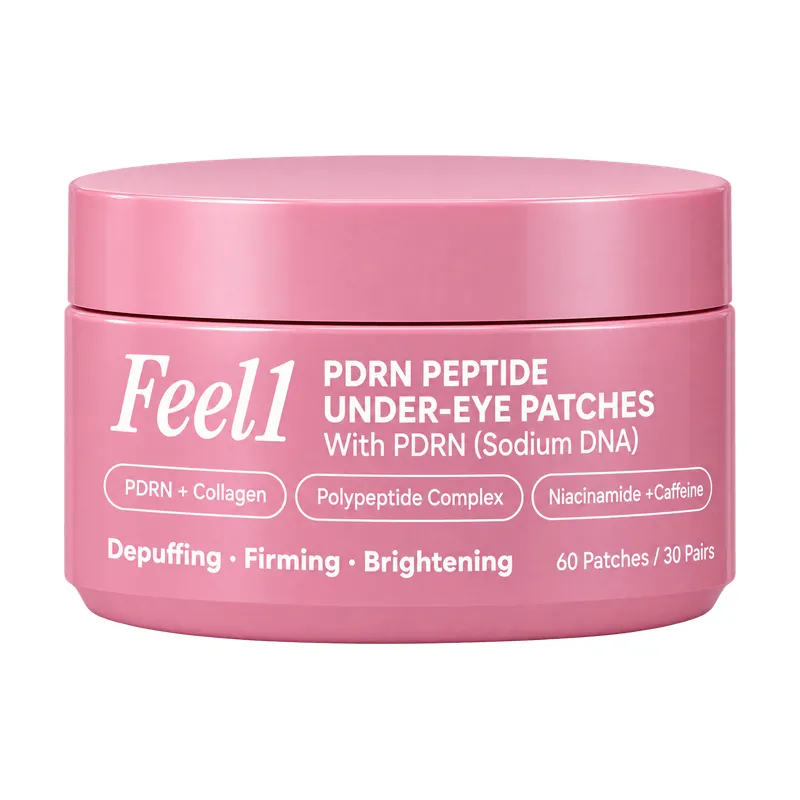 Step 1 · A few times a weekFeel1 PDRN Eye PatchesCooling PDRN gel for a visibly de-puffed lookView
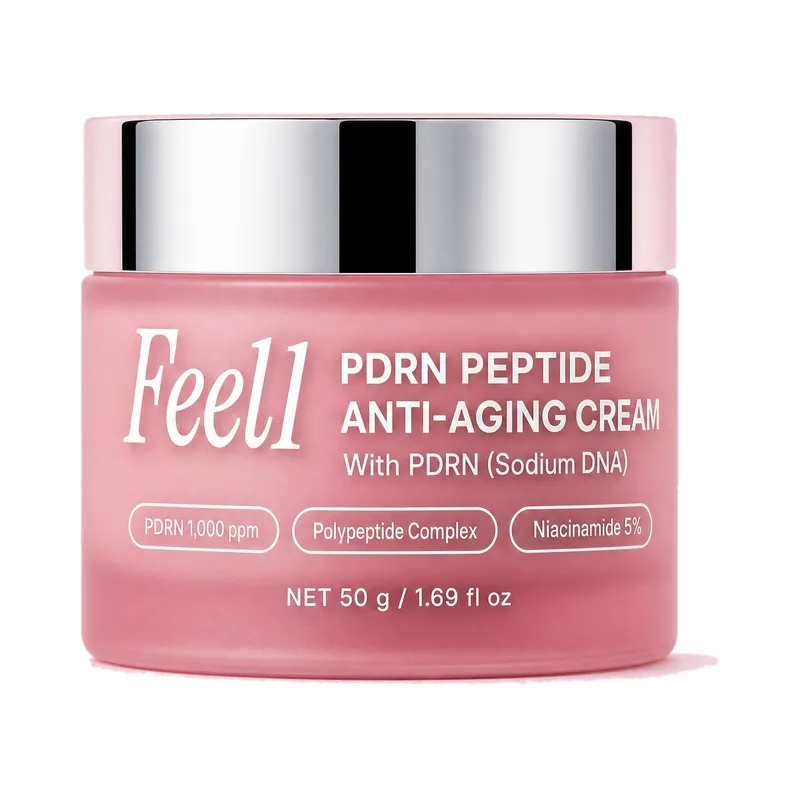 Step 2 · DailyFeel1 PDRN CreamPDRN and peptides for smoother, firmer-looking skinView
For men
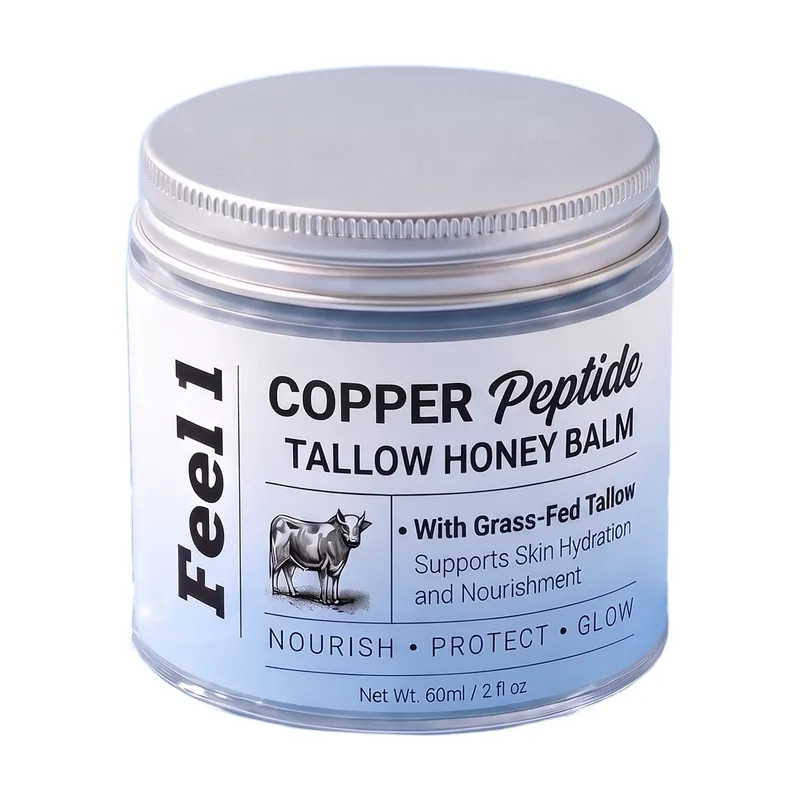 Step 1 · DailyFeel1 Copper Peptide CreamCopper peptide cream for a less tired lookView
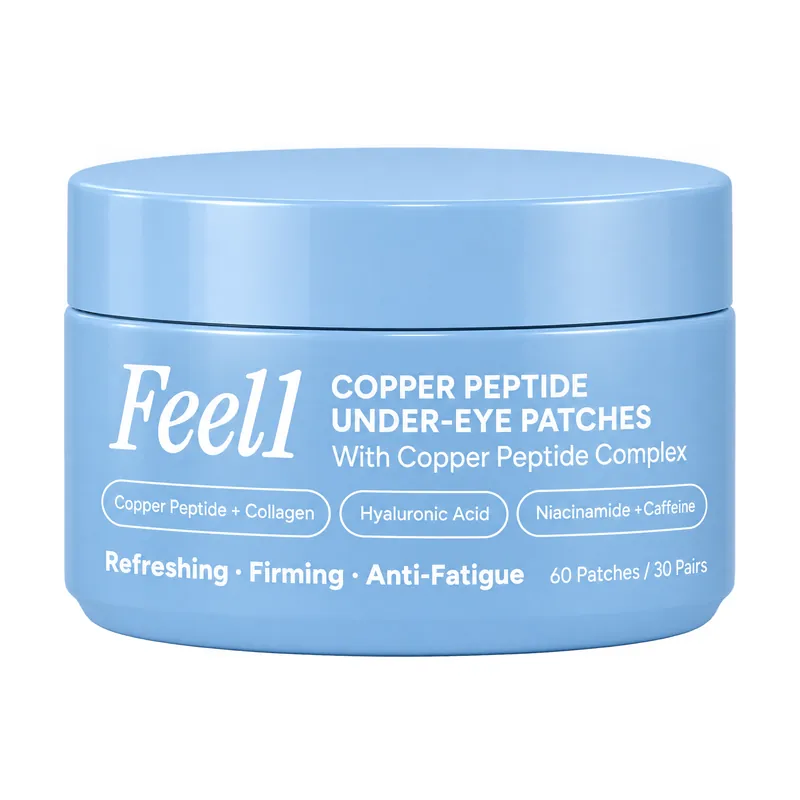 Step 2 · A few times a weekFeel1 Copper Peptide Eye PatchesCooling patches for the mornings it showsComing soon to the UK
Cool, hydrate, repeat: expect a fresher look that needs repeating, not a permanent change.
Advertising disclosure: eyebags.co.uk is a commercial publisher. Links on this page may be commercial links, and we earn money when you buy — including from Feel1, a brand we are commercially connected with. Our favourite is our own editorial choice; see How we choose.
Not sure this is your cause?Take the free 2-minute eye bag test