Puffy eyes in the morning: why it happens and what helps
Morning puffiness is usually fluid that collects under your eyes while you lie flat. It is worst on waking and eases by lunchtime. Cold, a raised pillow, less late-evening salt and alcohol, and cooling patches help it look visibly smaller — the most fixable type of eye bag there is.
Why are my eyes puffy in the morning?
The skin under your eyes is very thin and the tissue beneath it is loose, which makes it an easy place for fluid to gather. During the day, gravity and the pumping action of your muscles keep fluid moving. When you lie down for seven or eight hours, that movement slows right down and some fluid settles in the soft tissue around the eyes. The American Academy of Ophthalmology lists this kind of fluid retention as one of the most common reasons for bags under the eyes, and notes it tends to be most noticeable when you wake up.
Once you are up and moving, the fluid gradually drains away. That is why morning puffiness typically looks dramatic in the bathroom mirror at 7am and far less obvious by the time you reach your desk. If your bags look exactly the same at 7pm as they did at 7am, fluid is probably not the main story — have a look at our pages on ageing and genetic eye bags.
What makes morning puffiness worse?
Salt, especially late in the evening
Salt makes your body hold on to water. A takeaway curry, pizza, crisps or a cheese board late at night is one of the most reliable ways to wake up with puffy eyes. It isn't about cutting salt out completely; moving the saltiest meal earlier and not adding extra at the table makes a real difference for many people.
Alcohol
Alcohol is dehydrating, disrupts sleep quality and can widen small blood vessels in the face. The combination often shows up as puffier, redder-looking eyes the next morning. Alternating drinks with water and stopping a few hours before bed helps.
Sleeping flat or face-down
Lying completely flat lets fluid pool around your face. Sleeping on your front or side can press on one eye and make one side puffier. The AAO suggests raising your head slightly while you sleep — an extra pillow or a wedge often does the job.
Crying, a cold or hay fever
Tears, a blocked nose and allergies all add fluid and inflammation around the eyes. If your puffy eyes come with itching or watering, read our allergy-related puffiness guide, because the answer there is different.
Hormonal changes
Many women notice more fluid retention, including puffier eyes, at certain points in their menstrual cycle or during pregnancy and perimenopause. This usually comes and goes, and the same cooling, sleep and salt tips apply.
How to get rid of puffy eyes in the morning
Cold, first thing
Cold narrows blood vessels and encourages fluid to move on. Cleveland Clinic's advice for eye bags starts with a cool compress, and it's the easiest thing to do: a flannel soaked in cold water, two teaspoons kept in the fridge overnight, or a splash of cold water held for a minute. Five to ten minutes is plenty. Never put ice directly on the skin.
A gentle tap, not a rub
Using your ring fingers, lightly tap from the inner corner of your under-eye towards your temples. It feels pleasant, doesn't drag the skin and may help fluid move along. Pressing hard or rubbing does more harm than good.
Cooling eye patches
Hydrogel patches combine the cold trick with ingredients like caffeine and hydrating actives, and sit on the skin for about twenty minutes while you have breakfast or do your hair. Ochsner Health describes patches as giving short-term results — which is exactly how to think of them: a temporary, visibly de-puffed and fresher look for the day, not a permanent change. They are especially useful on mornings that matter, such as an interview, a video call or a wedding.
Fix the evening, not just the morning
- Have your saltiest meal at lunch rather than late at night.
- Drink water through the day; don't save it all for bedtime.
- Stop alcohol a few hours before bed and alternate with water.
- Add a second pillow and try sleeping on your back.
- Take make-up off properly — tired, irritated eyes puff up more.
Honest expectations
Morning puffiness is the most responsive kind of eye bag. Many people see a real improvement within a week of changing their evening habits and using cold in the morning. Topical products — patches and creams — add a temporary, visible de-puffing effect and help the skin look hydrated and smoother, but the effect fades over the day and needs repeating. They don't stop fluid from collecting in the first place; your evening habits do.
If you've tried all of this for a few weeks and your bags haven't budged, the cause is probably structural. That's not a failure — it just means a different approach. Take the free 2-minute eye bag test to find out.
See a GP if: the swelling comes on suddenly, affects only one eye, is painful or red, lasts for days, or you also notice swollen ankles, a change in how often you pass urine, or feeling unusually tired. Puffiness around the eyes can occasionally be linked to kidney, thyroid or other health problems, which the NHS says should be checked.
Frequently asked questions
Why are my eyes puffy every morning?
Lying flat for hours lets fluid collect in the loose, thin skin under your eyes. Once you are upright, gravity and movement slowly drain it, so the puffiness eases through the morning. Late salty food, alcohol, crying, a cold or hay fever make it more obvious. If it happens every single morning and never fully settles, consider genetics or ageing as well.
How long does morning eye puffiness last?
For most people, fluid-related puffiness settles within one to three hours of getting up, helped along by moving around, cold water and a cold compress. If it still looks the same in the afternoon, it is more likely to be a structural bag than fluid. Swelling that lasts for days or affects one eye should be checked by a GP.
Does drinking water help puffy eyes?
It can. When you are dehydrated, your body tends to hold on to fluid, and alcohol is dehydrating too. Drinking water regularly through the day, rather than a lot right before bed, supports normal fluid balance. It is not a quick fix on its own, but combined with less salt and a raised pillow it often makes mornings noticeably better.
Should I put eye patches in the fridge?
You can. Chilling hydrogel eye patches or a cream for a while before use adds extra cooling, which many people find especially refreshing for morning puffiness. Check the product's own instructions, keep the lid closed, and use clean tweezers or fingers. Never use ice directly on the skin around your eyes.
Is it bad to sleep on my front if I get puffy eyes?
Sleeping face-down or on one side can let fluid pool more on the lower side and press on the eye area, so some people wake up with one eye puffier than the other. Sleeping on your back with an extra pillow is often suggested to help fluid drain overnight. It takes a few nights to get used to.
Our pick for this cause
For women
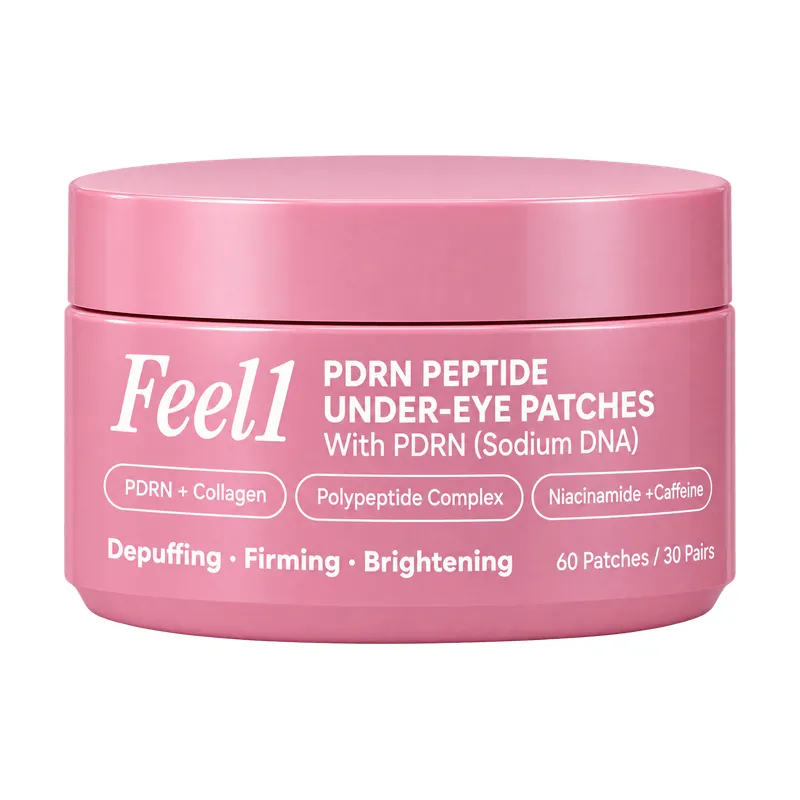 Step 1 · A few times a weekFeel1 PDRN Eye PatchesCooling PDRN gel for a visibly de-puffed lookView
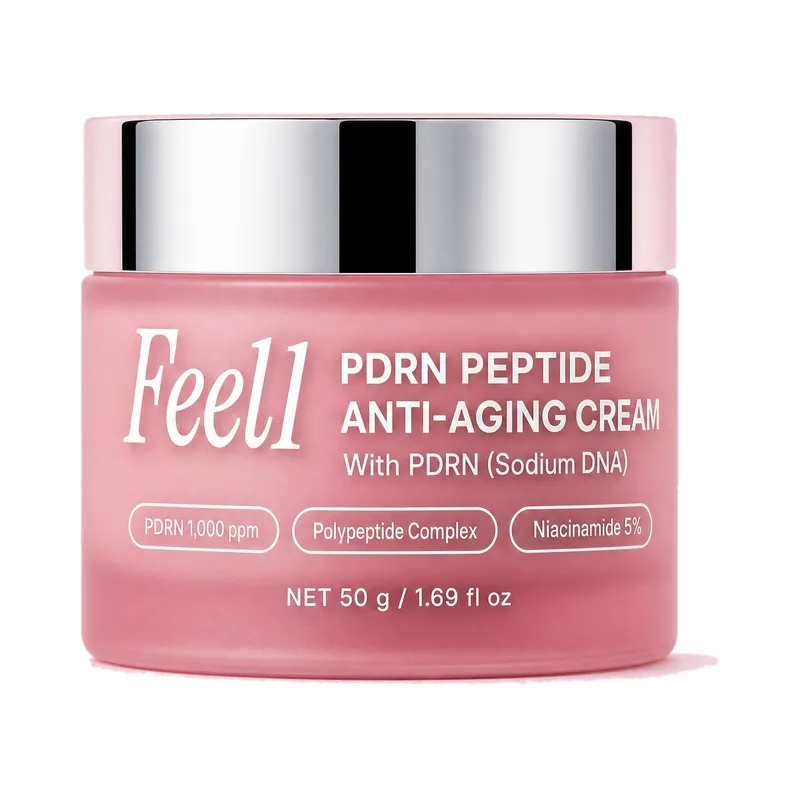 Step 2 · DailyFeel1 PDRN CreamPDRN and peptides for smoother, firmer-looking skinView
For men
 Step 1 · DailyFeel1 Copper Peptide CreamCopper peptide cream for a less tired lookView
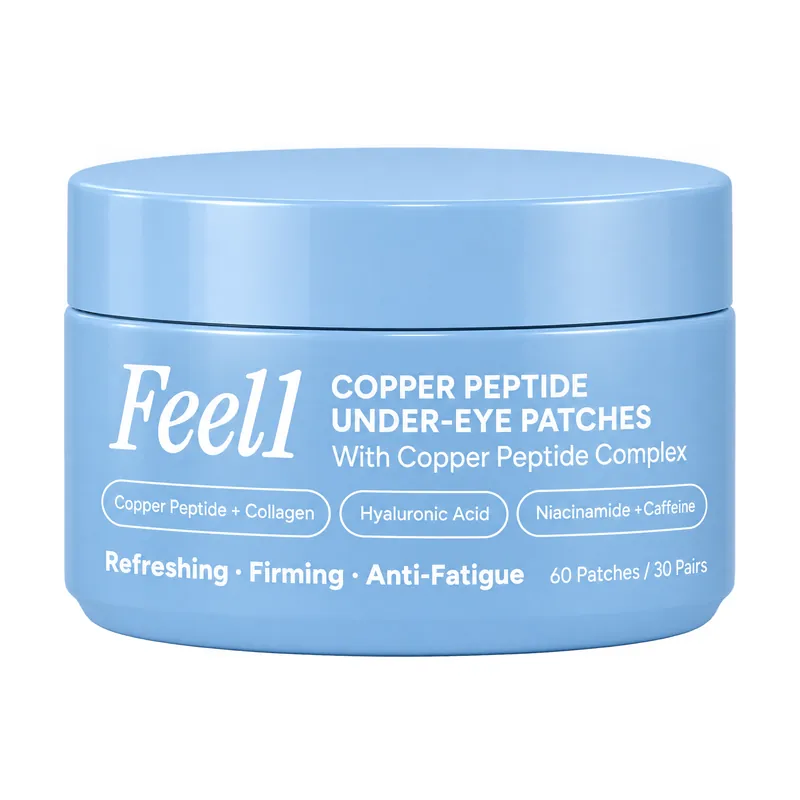 Step 2 · A few times a weekFeel1 Copper Peptide Eye PatchesCooling patches for the mornings it showsComing soon to the UK
Cool, hydrate, repeat: expect a fresher look that needs repeating, not a permanent change.
Advertising disclosure: eyebags.co.uk is a commercial publisher. Links on this page may be commercial links, and we earn money when you buy — including from Feel1, a brand we are commercially connected with. Our favourite is our own editorial choice; see How we choose.
Not sure this is your cause?Take the free 2-minute eye bag test