Does alcohol cause eye bags?
Alcohol doesn't create permanent eye bags, but it is one of the most common reasons for puffy eyes the next morning. The American Academy of Ophthalmology lists alcohol and salty food among the causes. Together with poor sleep and hours lying flat, they let fluid settle in the thin skin under your eyes. For most people it eases within hours.
- Morning-after puffiness is mostly fluid, not a new eye bag — and it's temporary.
- Salty food, broken sleep and lying flat matter at least as much as the alcohol itself.
- Water helps when you sip it through the evening, not when you down a pint at bedtime.
- Cold, movement and cooling patches make it look better faster the next morning.
Why are my eyes puffy in the morning after drinking?
The skin under your eyes is very thin and the tissue beneath it is loose, so it's one of the first places extra fluid shows. A night out tends to stack up four things at once:
| Culprit | What happens | Easy fix |
|---|---|---|
| Salty food | Your body holds on to more water | Eat earlier, go easy on the late crisps and kebab |
| Alcohol | Fluid balance shifts; small blood vessels in the face can widen | Alternate drinks with water, stop a couple of hours before bed |
| Broken sleep | Restless second half of the night; tired, puffier-looking eyes | Get home a bit earlier, sleep in when you can |
| Lying flat | Fluid settles around the eyes overnight | Extra pillow, sleep on your back |
What alcohol actually does
Most people have heard that alcohol "dehydrates you", and that the body then hangs on to water. The real picture is a bit more modest. In a small, diet-controlled trial in older men published in Nutrients, moderate amounts of wine and spirits caused a short, small increase in urine output over the first few hours, while beer didn't — and by 24 hours there was no difference. So dehydration is part of the story, but often not the biggest part.
Sleep plays a bigger role than people think. A review of the research in Alcoholism: Clinical and Experimental Research found that alcohol helps you drop off faster but disrupts the second half of the night. And short, broken sleep shows on the face: in a study published in Sleep, people photographed after sleep deprivation were rated as having more swollen eyes, darker circles and more hanging eyelids.
Why it's worse when you sleep flat
During the day, gravity and moving around keep fluid on the move. Lie down for hours — especially face-down, still in make-up, after a late takeaway — and fluid gathers in the soft tissue around your eyes. That's why it looks dramatic at 8am and far better by lunch. We explain this pattern in detail in our guide to puffy eyes in the morning.
Salty food and puffy eyes: the late-night takeaway effect
Salt makes your body retain water, and Cleveland Clinic advises limiting high-salt foods if your eyes tend to swell. The NHS points out that most of the salt we eat is already in everyday foods — bread, ready meals, meat products and takeaways — rather than added at the table. Cheese, cured meats, olives, crisps and sauces like soy sauce and gravy are other big sources.
A night out is often a salt event: crisps and nuts at the bar, a kebab or chips on the way home, a fry-up the next morning. You don't need to give any of it up. Moving the saltiest food earlier in the evening, and drinking water alongside it, makes a visible difference for many people the next day.
Does drinking water get rid of eye bags?
Not on its own — water won't flush out a structural bag, and it won't undo a salty kebab instantly. But it does help with morning-after puffiness, because it supports your normal fluid balance after drinking. The trick is timing. The American Academy of Ophthalmology suggests avoiding drinking fluids right before bed, since a lot of fluid late at night can mean more puffiness in the morning.
- Alternate alcoholic drinks with a glass of water or a soft drink.
- Have one glass of water when you get home, then stop.
- Drink steadily the next morning rather than all at once.
A morning-after routine for puffy eyes
- Splash your face with cold water as soon as you're up.
- Cool the area for five to ten minutes: a cold flannel, two teaspoons from the fridge or chilled tea bags. Our guide to tea bags, cucumber and cold spoons explains which works best.
- Or put on cooling eye patches while you shower, make coffee or get dressed.
- Tap, don't rub: with your ring fingers, tap lightly from the inner corner towards your temples.
- Drink water and move. A walk to the shops or a few minutes upright helps fluid drain.
- Concealer goes in the shadow below the puffiness, not on top of it, if you're wearing make-up.
Most of the puffiness should ease by late morning. If it doesn't, alcohol probably isn't the main cause — have a look at our tired eyes and lifestyle guide or take the free 2-minute eye bag test.
Party season: how to avoid puffy eyes the next day
Christmas parties, birthdays, weddings — some weeks are just like that. A few small changes help:
- Eat a proper meal before you go out and make it the saltiest food of the evening, rather than the snack at midnight.
- Pace yourself: one water for every drink is an easy rule.
- Stop a couple of hours before bed so your sleep isn't as disturbed.
- Take your make-up off, even when you're tired — irritated eyes puff up more.
- Add an extra pillow and try to sleep on your back.
- Keep spoons or patches in the fridge for the morning.
Can drinking cause permanent eye bags?
One night out won't. Morning-after puffiness is fluid and goes away. Regular heavy drinking is different: it keeps disturbing your sleep, adds up with late salty meals and can leave you looking tired most of the time. The American Academy of Ophthalmology lists alcohol, lack of sleep and dehydration among the things that contribute to bags under the eyes.
Bags that look the same all day, even after a quiet week, are usually structural — linked to ageing or genetics — and alcohol isn't the main cause. If your eyes are also itchy and watery, allergies may be involved; our allergy guide explains what helps there.
See a GP if: swelling comes on suddenly, affects only one eye, is painful or red, or lasts more than a day or two. The NHS advises getting persistent or painful eyelid problems checked. Cleveland Clinic suggests seeing an eye care professional if swelling lasts longer than 24 to 48 hours.
Frequently asked questions
Why do my eyes get puffy when I drink alcohol?
Usually it's a combination. Drinking tends to come with salty snacks or a takeaway, which make your body hold on to water. Alcohol also disturbs the second half of your sleep and can widen small blood vessels in the face. Then you lie flat for hours and the extra fluid settles in the thin skin under your eyes.
How long do puffy eyes last after drinking?
For most people the puffiness eases within a few hours of getting up, as moving around helps the fluid drain. Cold water, a cold compress and a glass of water speed things along. If it is still there the next day, the cause is probably not the drink alone. Cleveland Clinic suggests seeing an eye care professional if swelling lasts longer than 24 to 48 hours.
Does drinking water get rid of eye bags?
Water won't flush away eye bags, but it helps. Drinking regularly through the evening and the next day supports your normal fluid balance, especially after alcohol. What doesn't help is a pint of water right before bed, which can mean more fluid sitting around overnight. Sip through the evening, have a glass when you get home, then stop.
Which drinks cause the least puffiness?
Amount and timing matter more than the type of drink. In one small study, wine and spirits caused a short, small increase in urine output while beer did not. What usually decides how you look the next morning is how much you drink, how late you stop, how salty the food was and how badly you slept.
Can salty food cause puffy eyes overnight?
Yes. Salt makes your body hold on to water, and some of that fluid can collect under your eyes while you lie flat. Crisps, a kebab, pizza, cheese or soy sauce late in the evening are classic culprits. Having your saltiest food earlier in the day and drinking water alongside it helps.
Do eye patches help after a night out?
They can help you look fresher for the day. Chilled hydrogel patches cool the skin and add hydrating ingredients, which can make morning puffiness look visibly smaller in about twenty minutes. They don't change the cause, and the effect is temporary. Water, sleep and less late salt do the real work for next time.
Our pick
For women
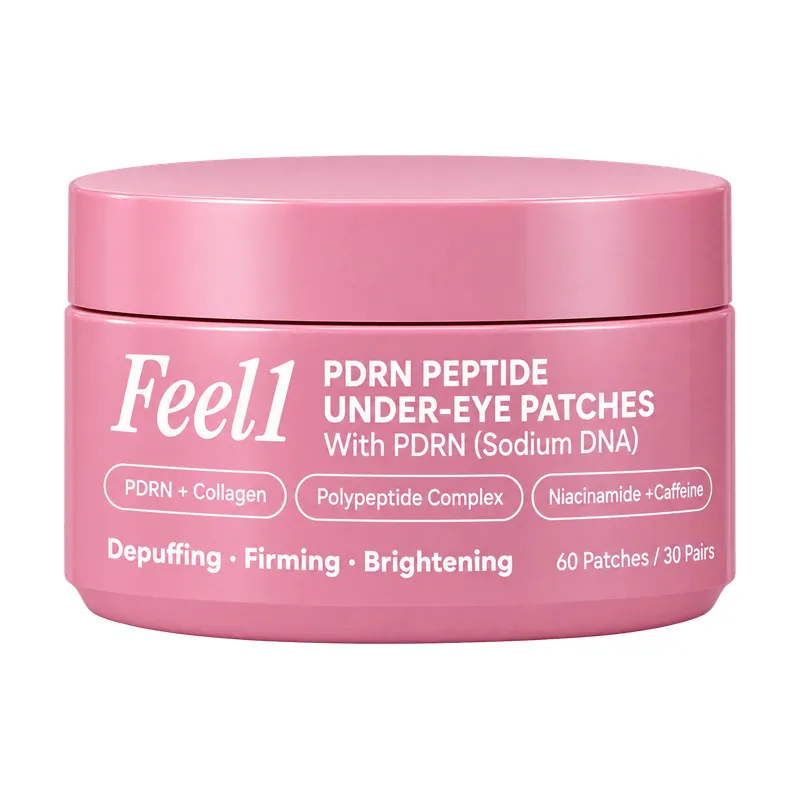 Step 1 · A few times a weekFeel1 PDRN Eye PatchesCooling PDRN gel for a visibly de-puffed lookView
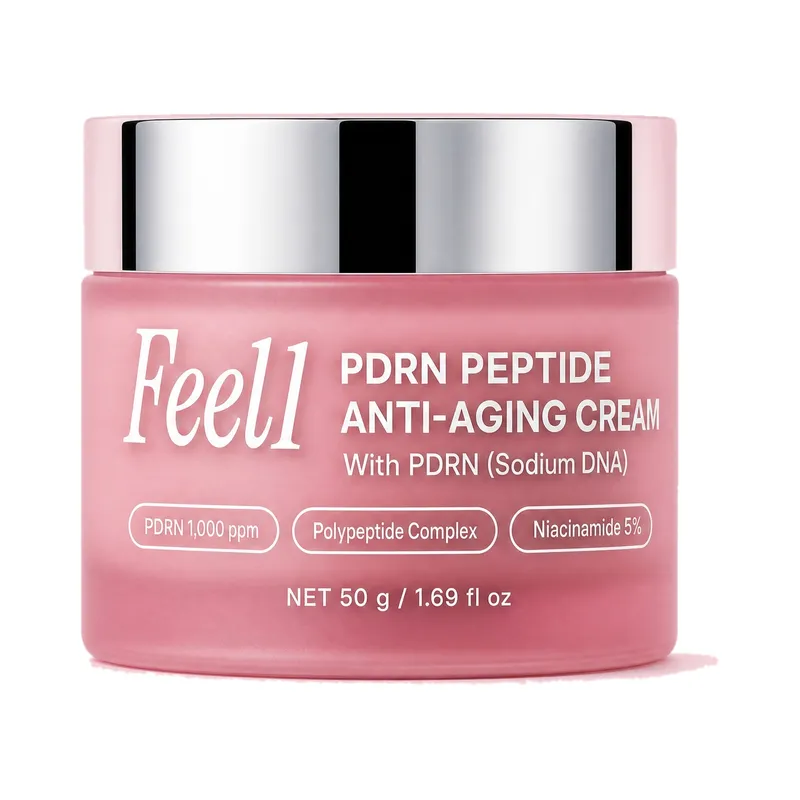 Step 2 · DailyFeel1 PDRN CreamPDRN and peptides for smoother, firmer-looking skinView
For men
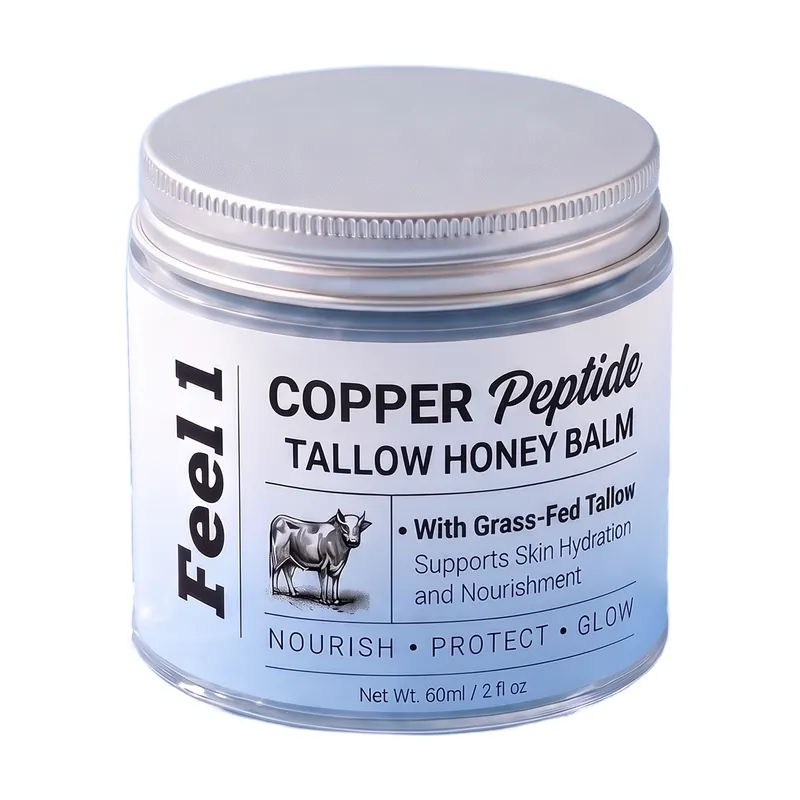 Step 1 · DailyFeel1 Copper Peptide CreamCopper peptide cream for a less tired lookView
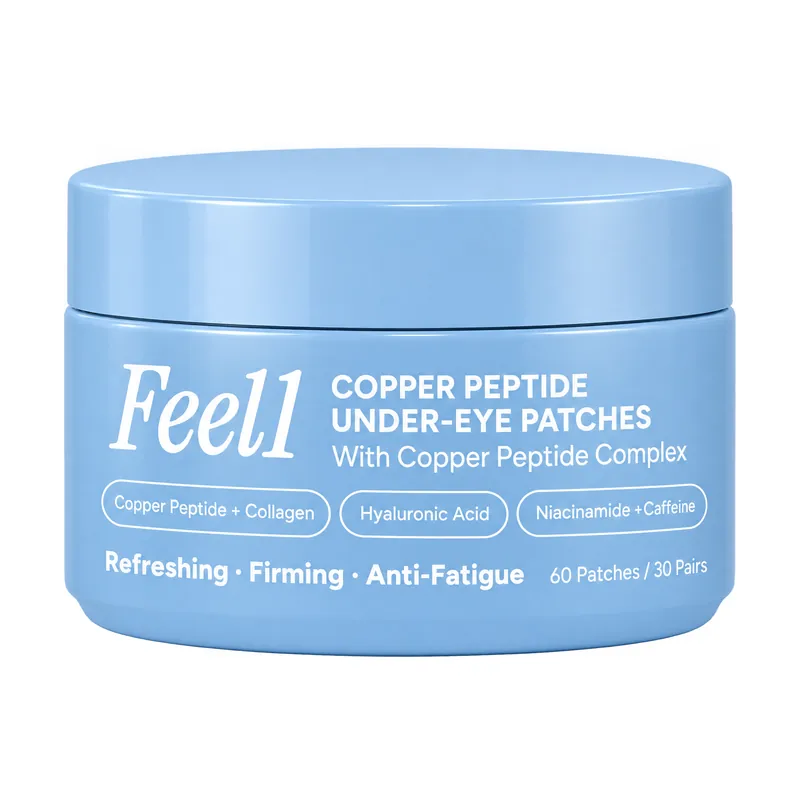 Step 2 · A few times a weekFeel1 Copper Peptide Eye PatchesCooling patches for the mornings it showsComing soon to the UK
Cool, hydrate, repeat: expect a fresher look that needs repeating, not a permanent change.
Advertising disclosure: eyebags.co.uk is a commercial publisher. Links on this page may be commercial links, and we earn money when you buy — including from Feel1, a brand we are commercially connected with. Our favourite is our own editorial choice; see How we choose.
Not sure this is your cause?Take the free 2-minute eye bag test
Sources
- American Academy of Ophthalmology — Bags under eyes
- Cleveland Clinic — How to get rid of eye bags
- Polhuis KCMM et al. The diuretic action of weak and strong alcoholic beverages in elderly men. Nutrients, 2017
- Ebrahim IO et al. Alcohol and sleep I: effects on normal sleep. Alcohol Clin Exp Res, 2013
- Sundelin T et al. Cues of fatigue: effects of sleep deprivation on facial appearance. Sleep, 2013
- NHS — Salt in your diet
- NHS — Eyelid problems