What are the options for eye bag removal in the UK?
Only surgery — a lower blepharoplasty — physically removes or repositions the fat that forms a structural eye bag. In-clinic options such as fillers or laser change how the area looks without removing the bag. Creams, patches, cold and better sleep can make puffiness look smaller, but the effect is temporary. Which one makes sense depends on the cause.
- Morning and lifestyle puffiness is fluid — it responds to cold, sleep and less late salt and alcohol, not surgery.
- Bags that look the same all day are usually structural (ageing or genetics). Only surgery changes that structure.
- Cosmetic eye bag surgery is not normally funded by the NHS.
- "Eye bag removal creams" can't remove bags; they hydrate, cool and give a fresher look for a while.
- Sudden, painful or one-sided swelling is a GP question, not a beauty one.
First, which kind of eye bag do you have?
Before you think about removal, check what you're trying to remove. Look in the mirror first thing in the morning and again in the evening. If the puffiness is worst on waking and has mostly gone by lunchtime, it's fluid — the type covered in our guide to puffy eyes in the morning. If it looks exactly the same at 7pm as at 7am, it's more likely to be structure: fat that has moved forward as the supporting tissue loosens with age, or a shape you've inherited.
The American Academy of Ophthalmology describes exactly this split: fluid that collects in weakened tissue, and fat that shifts into the lower eyelid over time. Not sure? Our free 2-minute eye bag test helps you work out your likely main cause.
Which option fits which kind of eye bag?
| Kind of eye bag | Typical signs | What tends to help most |
|---|---|---|
| Morning fluid | Worst on waking, better by lunch | Cold compress, raised pillow, less late salt and alcohol, cooling patches |
| Tiredness and lifestyle | Worse after short nights, late meals or drinks | Seven to nine hours' sleep, earlier salty meals, cold in the morning |
| Allergies | Itchy, watery, often seasonal | A pharmacist: antihistamines or allergy eye drops |
| Ageing | Slowly more visible, there all day, crepey skin | Daily eye cream for the look of the skin; surgery if you want the bag itself changed |
| Genetic | Had them since your teens, so has family | Skincare for the surface; a surgical consultation if it really bothers you |
| Hollow or shadow | Dark groove below the bag, worse under overhead light | Concealer in the hollow; in-clinic options such as fillers are sometimes used |
| Sudden or one-sided swelling | New, painful, red or affecting one eye | See a GP, optician or NHS 111 — not a cosmetic issue |
For every option side by side, including effort and cost level, see what actually helps on our home page.
What is a lower blepharoplasty?
Blepharoplasty is the medical name for eyelid surgery. For the lower lids, the American Academy of Ophthalmology explains that the surgeon makes a cut either just under the lashes or on the inside of the lower lid, then removes or repositions the fat — and sometimes some skin. Cleveland Clinic describes the same lower eyelid lift as removing excess skin, muscle and fatty tissue to reduce puffiness. It's the only option on this page aimed at changing the structure of the bag itself.
Recovery, in general terms
The NHS says most people take about two weeks off work, depending on their job. Bruised, puffy and numb eyelids are common at first. Cambridge University Hospitals' patient information says the lids usually look swollen for a few days and that bruising usually resolves within two weeks. Aftercare typically includes resting with your head propped up and using cold packs.
Risks to know about
It is real surgery. The NHS lists temporary effects such as bruising and puffy, numb eyelids, and less common problems such as blurred or double vision. Rarer serious complications include injury to the eye muscles and bleeding into the eye socket, alongside the general risks of infection and bleeding that come with any operation.
Can you get eye bag removal on the NHS?
Usually not. The NHS states that cosmetic surgery is not routinely provided on the NHS and may occasionally be provided for psychological or other health reasons. For eyelids specifically, Cambridge University Hospitals NHS Foundation Trust is clear: the NHS will only allow removal of excess upper eyelid skin if it impairs vision, and surgery for cosmetic reasons, including lower lid blepharoplasty, is not funded.
In other words, NHS eyelid surgery is about function — typically heavy upper lids that block your sight, confirmed with a visual field test. Lower-lid bags count as cosmetic, so most people who go ahead pay privately. If you think your eyelids affect your vision, your GP or optician is the right first step.
If you look into private surgery
- Check that the surgeon is on the General Medical Council (GMC) register, including their fitness-to-practise history — the NHS recommends this as a minimum.
- Ask how many of these operations they have done and how often complications happened.
- Take the cooling-off period after your consultation. The NHS reminds you that you can walk away if you're not completely comfortable.
What about non-surgical eye bag removal in a clinic?
"Non-surgical eye bag removal" usually means one of a few in-clinic procedures. None of them removes the fat pad; they change how the area around it looks. A review of under-eye shadows in the Journal of Cutaneous and Aesthetic Surgery lists options from make-up and skincare through lasers and chemical peels to fillers, fat transfer and surgery, chosen according to the anatomy involved.
- Tear trough fillers add volume to the hollow beneath a bag, which can soften the step between bag and cheek and reduce shadow.
- Laser resurfacing and chemical peels work on the skin's surface — texture, fine lines and tone — rather than on the bag itself.
The NHS points out that every cosmetic procedure carries some risk, surgical or not. Choose a qualified practitioner trained and experienced in the specific procedure, and don't let anyone rush you.
Do eye bag removal creams work?
Not in the way the name suggests. No cream can remove fat or change the shape of your lower lid. What a good eye cream can do is still useful, though:
- Hydrate the thin under-eye skin so it looks smoother and less crepey.
- Visibly de-puff for a while — Cleveland Clinic notes that eye creams with caffeine may reduce the appearance of puffiness.
- Support the look of firmer skin over weeks, with ingredients such as peptides and niacinamide.
Some "instant" products form a thin film that smooths the surface until you wash it off — handy for an evening out, but temporary.
Cooling hydrogel eye patches sit somewhere between a cold compress and an eye cream. Ochsner Health describes their results as short-term, which is the honest way to see them: a fresher, visibly de-puffed look for the day that needs repeating.
At-home options that genuinely help
For fluid and lifestyle puffiness, simple habits often beat any product:
- Cold: a cold flannel or two chilled teaspoons for a few minutes in the morning. Never put ice straight on the skin.
- Sleep: seven to nine hours, with an extra pillow so fluid doesn't settle under your eyes overnight.
- Salt and alcohol: move the saltiest meal earlier and stop drinking a few hours before bed. Our guide to puffy eyes after a night out explains why.
- Allergies: if your eyes itch and water, a pharmacist can help.
Our guide to home remedies for eye bags rates the popular tricks — cold spoons, tea bags, cucumber — one by one.
Is eye bag removal worth it?
It depends on what kind of bag you have and how much it bothers you. If yours are mainly fluid, surgery is the wrong tool: the puffiness comes and goes with sleep, salt and alcohol. If yours are structural and have been there for years, creams and patches will only ever make the skin on top look fresher — worth knowing before you spend money.
A few honest questions help: Does it look the same morning and evening? Have you given sleep, salt and cold a few weeks? Would you accept real surgery, its risks and a couple of weeks of recovery for a structural change? If the answer to the last one is yes, a consultation with a GMC-registered surgeon is the sensible next step — and it's fine to leave without booking.
See a GP if: swelling around your eyes comes on suddenly, affects only one eye, is painful or red, lasts for days, or your vision changes. These need checking before anything cosmetic.
Frequently asked questions
Can you get eye bag removal on the NHS?
Usually not. The NHS says cosmetic surgery is not routinely provided on the NHS, and NHS hospital guidance states that lower lid blepharoplasty for cosmetic reasons is not funded. NHS eyelid surgery is generally limited to functional problems, such as upper eyelid skin that blocks your vision. If you think your eyelids affect your sight, start with your GP or optician.
Is there a cream that removes eye bags?
No cream can remove eye bags. Products sold as eye bag removal creams can hydrate the skin, cool it and make fluid-related puffiness look smaller for a while, and some give a temporary tightening film until you wash it off. Ingredients such as caffeine, peptides and niacinamide support a smoother, fresher look. Fat that has moved forward with age or genetics stays where it is.
How long is recovery after lower eyelid surgery?
According to the NHS, most people take about two weeks off work after eyelid surgery, depending on their job. Swelling usually shows for a few days and bruising often fades within two weeks, according to NHS hospital patient information. Your surgeon will give you personal aftercare advice, such as resting with your head raised and using cold packs.
Do tear trough fillers get rid of eye bags?
Fillers don't remove a bag. They add volume to the hollow below it, which can make the step between bag and cheek look smoother and reduce shadow. Whether that suits you depends on your anatomy, so it's a question for a qualified, experienced practitioner. The NHS advises a cooling-off period after any consultation and reminds you that you can walk away.
What is the best non-surgical eye bag removal?
There isn't one best option, because it depends on the cause. For morning or lifestyle puffiness, cold, sleep, less late salt and alcohol, and cooling patches work well at home. For skin that looks thin or crepey, a daily eye cream helps the look of the skin over weeks. For hollows and shadows, in-clinic options such as fillers are sometimes used.
At what age do people consider eye bag surgery?
There's no set age. Some people with inherited bags consider it in their thirties, while others look into it later as the tissue around the eyes loosens with age. What matters more is whether the bag is structural, whether it bothers you enough to accept surgery and recovery, and an honest consultation with a GMC-registered surgeon.
Our pick
For women
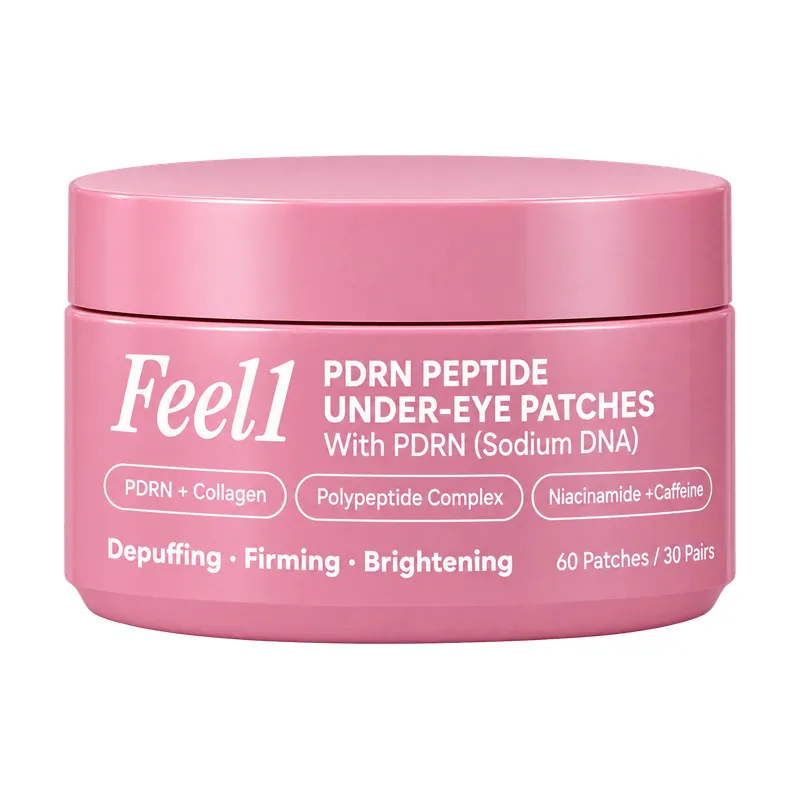 Step 1 · A few times a weekFeel1 PDRN Eye PatchesCooling PDRN gel for a visibly de-puffed lookView
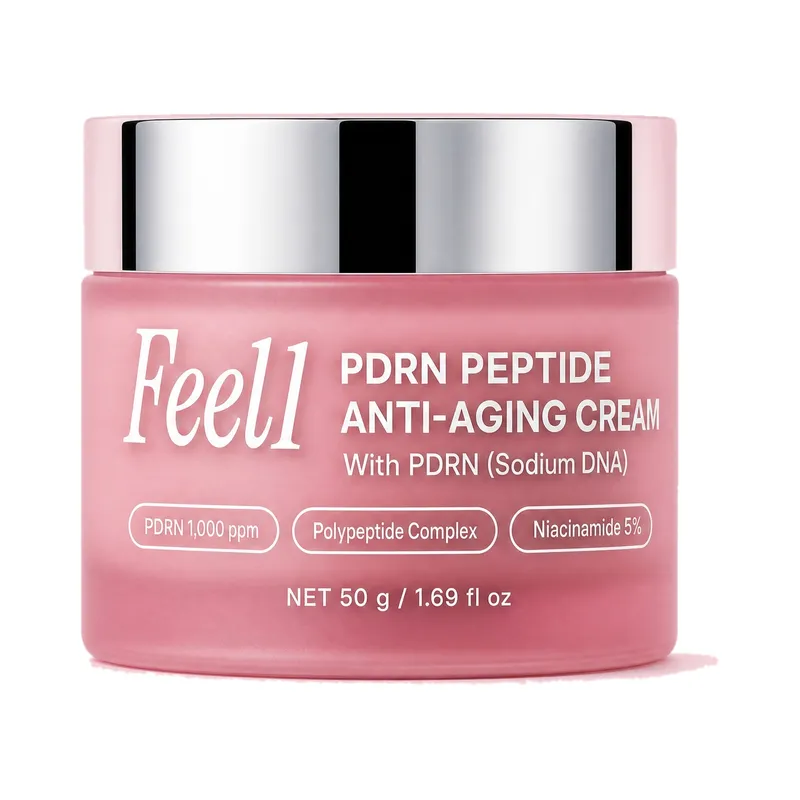 Step 2 · DailyFeel1 PDRN CreamPDRN and peptides for smoother, firmer-looking skinView
For men
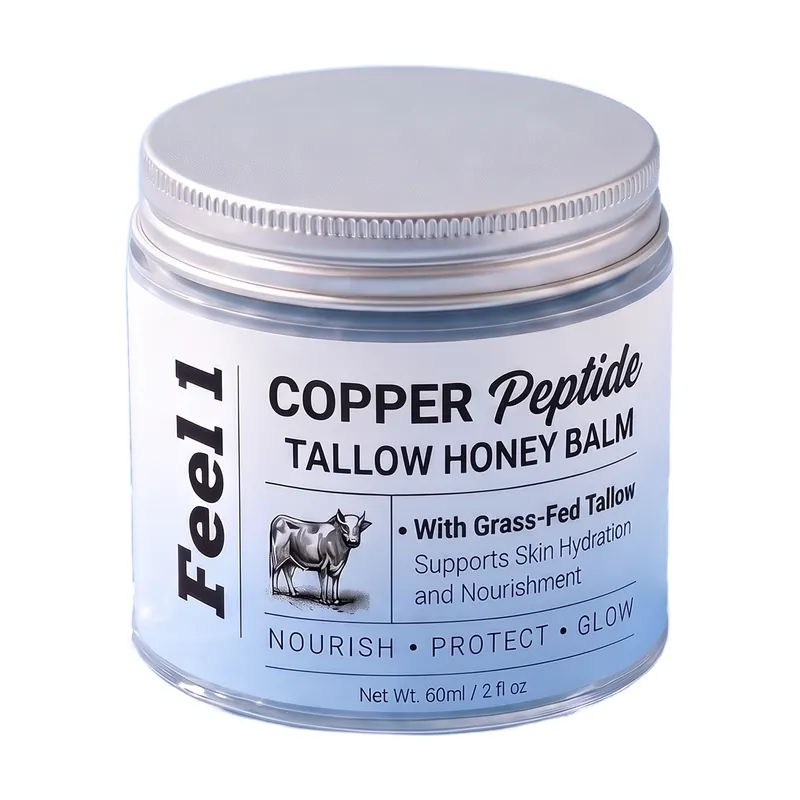 Step 1 · DailyFeel1 Copper Peptide CreamCopper peptide cream for a less tired lookView
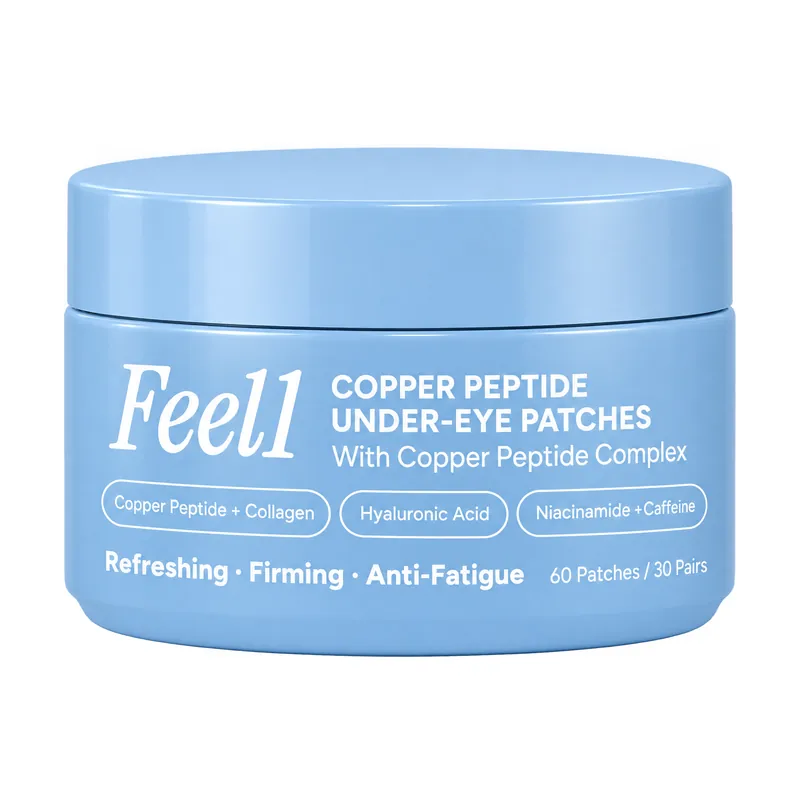 Step 2 · A few times a weekFeel1 Copper Peptide Eye PatchesCooling patches for the mornings it showsComing soon to the UK
Cool, hydrate, repeat: expect a fresher look that needs repeating, not a permanent change.
Advertising disclosure: eyebags.co.uk is a commercial publisher. Links on this page may be commercial links, and we earn money when you buy — including from Feel1, a brand we are commercially connected with. Our favourite is our own editorial choice; see How we choose.
Not sure this is your cause?Take the free 2-minute eye bag test
Sources
- NHS — Eyelid surgery (cosmetic procedures)
- NHS — Is cosmetic surgery available on the NHS?
- Cambridge University Hospitals NHS Foundation Trust — Blepharoplasty (patient information)
- NHS — Before you have a cosmetic procedure
- American Academy of Ophthalmology — Bags under eyes
- Cleveland Clinic — How to get rid of eye bags
- Vrcek I, Ozgur O, Nakra T. Infraorbital dark circles: a review of the pathogenesis, evaluation and treatment. J Cutan Aesthet Surg, 2016
- Ochsner Health — What do under-eye patches do for bags and wrinkles?