Do cold tea bags help puffy eyes?
A little, briefly. A chilled, squeezed-out tea bag acts as a small cold compress, and the cold does most of the work: it narrows blood vessels and helps fluid move on, so morning puffiness can look smaller within minutes. Caffeine in black or green tea may add a touch. Expect an hour or two, not a lasting change.
- The cold is the main active ingredient — a cold flannel or spoon does nearly the same job.
- Black and green tea contain caffeine and tannins; chamomile has no caffeine and carries an allergy risk near the eyes.
- Results are short-lived and only for fluid-type puffiness.
- Use a fresh bag, clean hands and never use tea on sore, red or sticky eyes.
Why do tea bags work on eyes at all?
Three things are going on, and they're not equally important.
1. The cold — doing most of the work
Cleveland Clinic explains that cold helps restrict blood vessels and reduce swelling, and lists chilled tea bags alongside a cold washcloth and refrigerated cucumber slices as cold items that may help with under-eye bags. That's the honest headline: a tea bag is a compress first and a tea second. Once it has warmed to skin temperature, after five to ten minutes, it stops doing much.
2. Caffeine — a small bonus
Caffeine is a popular cosmetic ingredient partly because it gets through the skin barrier well, according to a review in Skin Pharmacology and Physiology, and Cleveland Clinic notes that eye creams with caffeine may reduce the appearance of puffiness. The catch is dose and time. An eye product is made to deliver caffeine to the skin; a used tea bag sitting on closed lids for a few minutes delivers an unknown, probably small amount. It may help a bit, but it isn't the main reason the trick works.
3. Tannins — a tight feeling, not much more
Tea is rich in tannins, plant compounds with an astringent, slightly tightening feel — the same dry feeling strong tea leaves in your mouth. That can make skin feel briefly firmer, but there's no good evidence that tannins from a tea bag change eye bags. Count it as a pleasant side note.
Black, green or chamomile: which tea is best for eye bags?
There's little to choose between black and green tea for a few minutes on the skin. Both contain caffeine and tannins, so use whichever you have — plain, without flavourings, fruit pieces or oils. Chamomile is the one we'd leave in the cupboard: it has no caffeine, and it belongs to the daisy family, which some people react to. A 2025 review in Frontiers in Pharmacology looked at chamomile tea poultices used on the eyes and warned about allergic reactions and contamination from how the tea is produced and stored.
| Option | What it brings | Good to know |
|---|---|---|
| Black tea bag | Cold, caffeine, tannins | Can leave a faint brown tint on pale skin — rinse afterwards |
| Green tea bag | Cold, caffeine, tannins | Similar to black tea; choose plain, unflavoured bags |
| Chamomile tea bag | Cold only, no caffeine | Daisy-family allergy risk near the eyes; we'd skip it |
| Cucumber slices | Cold and moisture | Pleasant and harmless; no strong evidence it does more than cool |
| Cold spoons | Cold, gentle pressure | Cleanest option, reusable, nothing wet near the eyes |
| Cold flannel | Cold and moisture | Easy, covers the whole area; use a clean one each time |
| Cooling eye patches | Cold gel plus hydrating ingredients | Stay put while you get ready; effect is temporary |
How to use tea bags on your eyes properly
- Wash your hands and take out contact lenses.
- Brew two plain tea bags in hot water for a few minutes, as you would for a cup.
- Squeeze them out well so they're damp, not dripping.
- Chill them in a clean covered container in the fridge for fifteen to twenty minutes. Not the freezer — frozen bags are too harsh for thin skin.
- Close your eyes and rest one bag over each eye, covering the puffy area below the lid, for five to ten minutes.
- Rinse your face with cool water so no tea or loose bits stay near your eyes, then pat dry.
- Bin the bags. Don't save them for tomorrow — damp, used tea bags are an easy place for bacteria to grow.
Follow with a gentle tap from the inner corner towards your temples using your ring fingers. Pat, don't rub.
Does a cold spoon help with eye bags?
Yes — for the same reason a tea bag does. Metal holds cold well, and the curved back of a teaspoon fits neatly under the eye. Keep two teaspoons in the fridge overnight and hold them gently against the skin below each eye for a minute or two, until they warm up. It's the tidiest version of the trick: nothing wet, nothing loose, nothing to throw away. Our guide to home remedies for eye bags rates it among the remedies that genuinely help.
Cucumber for eye bags: does it actually work?
Cucumber slices work because they're cold and wet, so they act as a gentle compress. Cleveland Clinic includes refrigerated cucumber slices in its list of cold items that may help. There's no strong evidence that anything in the cucumber itself does more than that. If you enjoy the ritual, go for it: use slices straight from the fridge, keep them on closed lids for a few minutes, and wash any juice away from your eyes afterwards.
Is it safe to put tea bags on your eyes?
For most people, yes, if you keep it clean. Skip it, or stop, if:
- Your eyes are red, sore, sticky or crusty — that may be an infection, and anything homemade near the eye can make it worse.
- You have a stye or swelling on the eyelid itself.
- You're allergic to tea, chamomile or plants in the daisy family, or your skin stings, itches or turns red.
- You've recently had eye surgery — follow your surgeon's aftercare advice instead.
The NHS advises seeing a pharmacist or GP for eyelid problems that are painful, persistent or getting worse. A tea bag is not the answer to any of those.
When tea bags won't help
Cold tricks are made for fluid. They're good for puffy eyes in the morning and after a short night, and pointless for bags that look the same all day. If yours are inherited or have slowly become more visible with age, the bag is structure — fat that has moved forward — and no amount of cold changes that. We explain those options in eye bag removal in the UK.
If your puffiness comes with itching and watering, especially in spring or summer, it's more likely an allergy. A pharmacist can help with antihistamines or allergy eye drops; read our allergy-related puffiness guide. And swelling that is sudden, painful or only on one side needs a GP, not a tea bag.
Where cooling patches fit in
Hydrogel eye patches are essentially a tidier, upgraded compress: chilled gel that stays in place for about twenty minutes while you get dressed, with hydrating ingredients and often caffeine. Ochsner Health describes their results as short-term, which matches everything above. Think of them as a cold spoon you don't have to hold — handy on mornings that matter, and something you repeat rather than a one-off fix.
Frequently asked questions
Are cold tea bags good for puffy eyes?
Yes, for a short while. A chilled, squeezed-out tea bag works like a small cold compress, which can make fluid-related morning puffiness look smaller within minutes. Black and green tea add a little caffeine, though most of the effect comes from the cold. Expect the difference to last an hour or two, and use a fresh bag for each eye.
Should I use green or black tea bags for eye bags?
Either is fine. Both contain caffeine and tannins, and in practice there's little to choose between them for a few minutes on the skin. Use plain tea without added flavourings, fruit pieces or oils, which are more likely to irritate. Whichever you use, the temperature matters more than the type, so chill it properly.
How long should you leave tea bags on your eyes?
Five to ten minutes is plenty. By then the bag has warmed to skin temperature and stops doing much. Lie back or sit upright with your eyes closed, keep the bags on the skin below and over the lids, then rinse your face with cool water so no tea or loose bits stay near your eyes.
Can you use chamomile tea bags on your eyes?
We'd skip it. Chamomile contains no caffeine, so it only offers the cooling effect, and it belongs to the daisy family, which can cause allergic reactions in some people. A 2025 review warned against chamomile poultices on the eyes because of allergy and contamination risks. A cold flannel gives the same cooling without that risk.
Do tea bags help dark circles?
Only a little, and only for the tired, puffy kind. Cooling can make the area look fresher and less shadowed for a while, especially if puffiness is casting a shadow. Tea bags won't change pigment, thin skin or a hollow under the eye. For those, daily SPF, concealer and a consistent eye cream matter more.
Is a cold spoon better than a tea bag?
For most people, yes, simply because it's cleaner and easier. Two teaspoons from the fridge give the same cooling effect without anything wet or loose near your eyes, and you can wash and reuse them. A tea bag adds a little caffeine, but the amount reaching your skin in a few minutes is small.
Our pick
For women
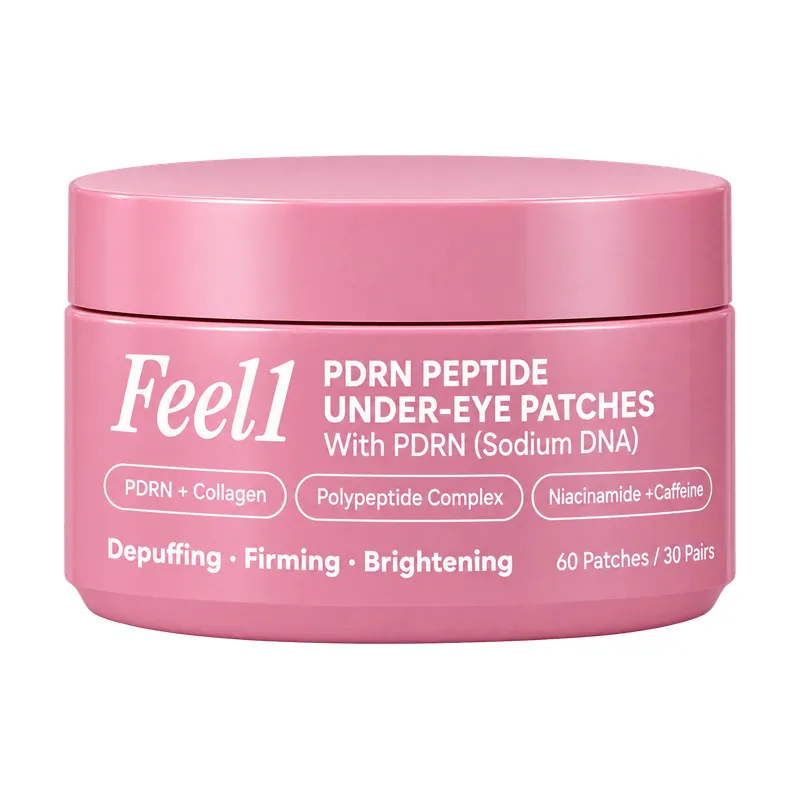 Step 1 · A few times a weekFeel1 PDRN Eye PatchesCooling PDRN gel for a visibly de-puffed lookView
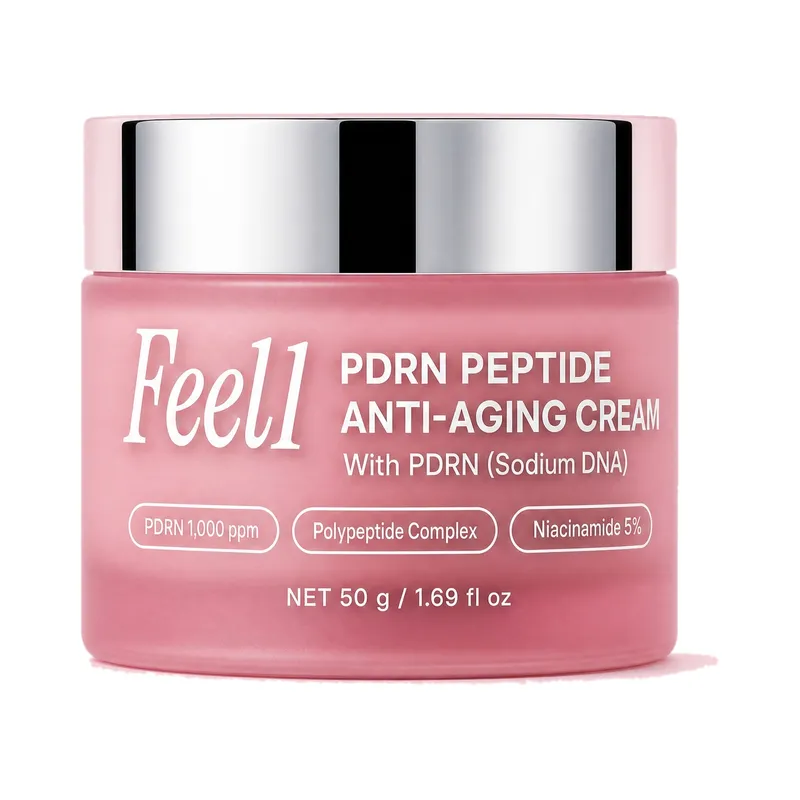 Step 2 · DailyFeel1 PDRN CreamPDRN and peptides for smoother, firmer-looking skinView
For men
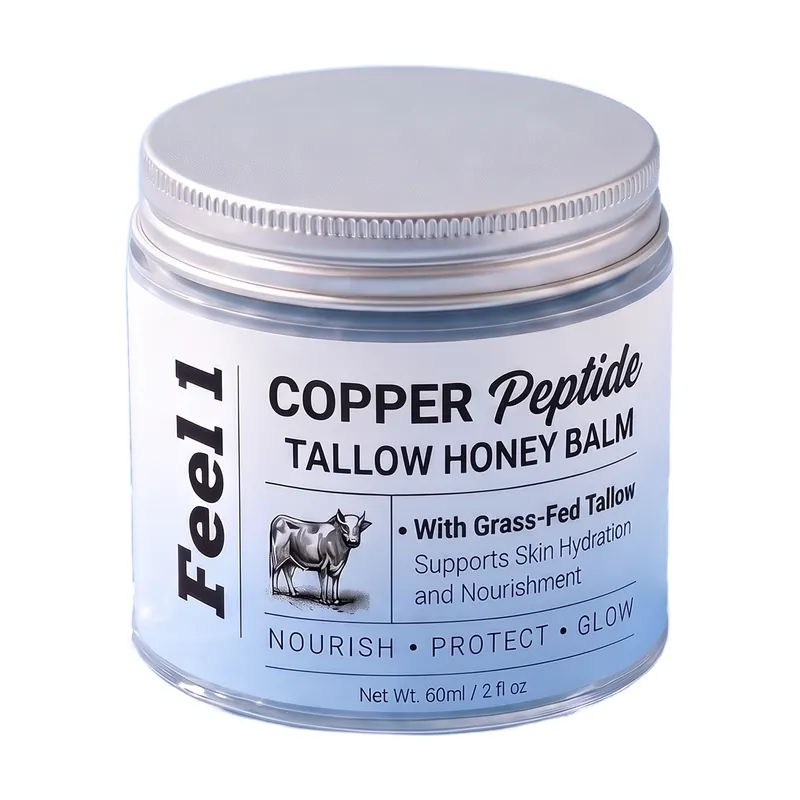 Step 1 · DailyFeel1 Copper Peptide CreamCopper peptide cream for a less tired lookView
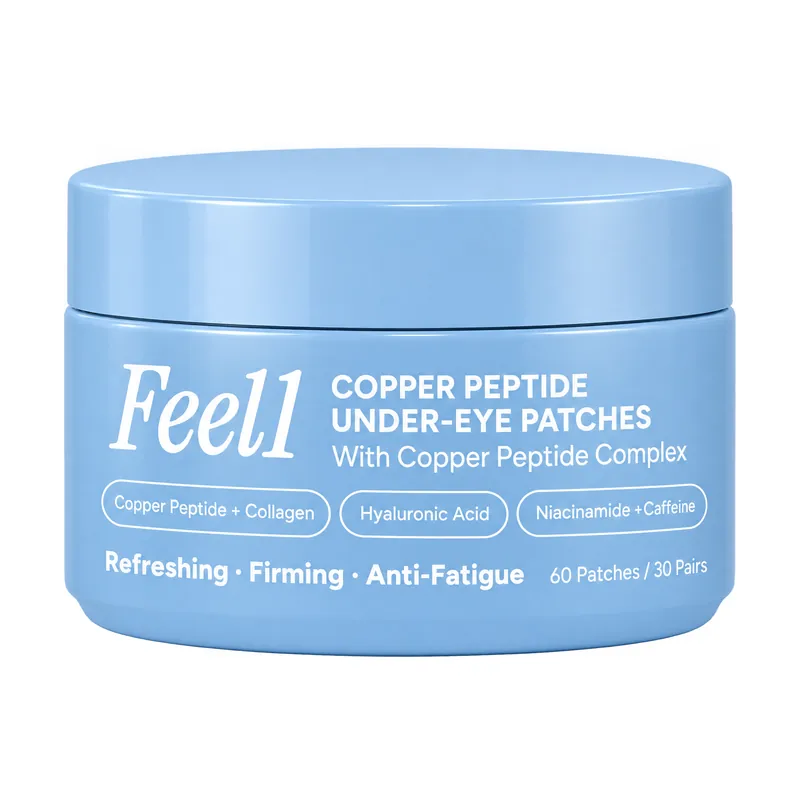 Step 2 · A few times a weekFeel1 Copper Peptide Eye PatchesCooling patches for the mornings it showsComing soon to the UK
Cool, hydrate, repeat: expect a fresher look that needs repeating, not a permanent change.
Advertising disclosure: eyebags.co.uk is a commercial publisher. Links on this page may be commercial links, and we earn money when you buy — including from Feel1, a brand we are commercially connected with. Our favourite is our own editorial choice; see How we choose.
Not sure this is your cause?Take the free 2-minute eye bag test
Sources
- Cleveland Clinic — How to get rid of eye bags
- American Academy of Ophthalmology — Bags under eyes
- Herman A, Herman AP. Caffeine's mechanisms of action and its cosmetic use. Skin Pharmacol Physiol, 2013
- Rák T, Csutak A. Reevaluating the safety of chamomile poultices in ophthalmic care. Front Pharmacol, 2025
- Ochsner Health — What do under-eye patches do for bags and wrinkles?
- NHS — Eyelid problems